


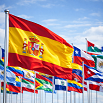

Spanish is one of the most spoken languages in the world, used by millions of people across different continents. Countries where Spanish is the official language are known as Spanish speaking countries. Each of these nations has a unique national flag that reflects its culture, history, independence, and national identity.
In this detailed guide, we explore Spanish speaking countries flags, their colors, symbols, and historical background. This article is helpful for students, researchers, travelers, and anyone interested in world flags and country history.
What Are Spanish Speaking Countries?
Spanish speaking countries are nations where Spanish is the official or main language. Most of these countries were once part of the Spanish Empire, which explains why they share linguistic and cultural similarities.
Today, Spanish is officially spoken in:
- Europe
- Latin America
- The Caribbean
- Africa
Although the language is common, the flags of Spanish speaking countries are unique and represent each nation’s independent journey.
Importance of Flags in Spanish Speaking Countries
National flags are powerful symbols. In Spanish speaking nations, flags often represent:
- Independence from colonial rule
- National pride and unity
- Cultural values and traditions
- Sacrifices made by freedom fighters
Many flags share similar colors such as red, blue, white, and yellow, but their meanings can differ from country to country.
Spain – The Origin of the Spanish Language
Spain is the birthplace of the Spanish language. The flag of Spain consists of three horizontal stripes: red, yellow, and red, with the national coat of arms.
- Red symbolizes strength and courage
- Yellow represents generosity and prosperity
- The coat of arms reflects Spain’s monarchy and long history
Spain’s flag is one of the oldest national flags still in use today.
Mexico Flag Meaning and Design
The flag of Mexico is one of the most recognizable among Spanish speaking countries flags. It has three vertical stripes: green, white, and red.
- Green stands for hope and independence
- White represents unity and peace
- Red symbolizes the blood of national heroes
The center emblem shows an eagle holding a snake, inspired by ancient Aztec history.
Argentina Flag History
The flag of Argentina features light blue and white horizontal stripes with a golden sun in the center, known as the Sun of May.
- Blue represents the sky and freedom
- White symbolizes peace and honesty
- The sun represents independence and new beginnings
This flag is closely linked to Argentina’s independence movement.
Colombia Flag Colors Meaning
The flag of Colombia uses three horizontal stripes: yellow, blue, and red.
- Yellow represents wealth and natural resources
- Blue symbolizes seas, rivers, and sky
- Red honors the sacrifices made for freedom
Colombia’s flag influenced the designs of several neighboring countries.
Chile National Flag
Chile’s flag, also called The Lone Star, features red, white, and blue colors with a single white star.
- White represents the Andes Mountains
- Blue symbolizes the sky and Pacific Ocean
- Red stands for the blood shed for independence
- The star represents unity and honor
Peru Flag Symbolism
The flag of Peru is simple yet meaningful, with vertical red and white stripes.
- Red symbolizes courage and bravery
- White represents peace and justice
Its clean design reflects national dignity and strength.
Venezuela Flag and Stars Meaning
The flag of Venezuela includes yellow, blue, and red stripes with white stars.
- Yellow represents wealth and land
- Blue symbolizes the sea and sky
- Red honors revolutionary heroes
- The stars represent unity among regions
Ecuador Flag Design
The flag of Ecuador is similar to Colombia’s but includes the national coat of arms.
- Yellow symbolizes agriculture and gold
- Blue represents water and sky
- Red reflects courage and sacrifice
Flags of Central American Spanish Speaking Countries
Several Central American nations share similar flag designs due to their shared history.
Guatemala, Honduras, El Salvador, Nicaragua, and Costa Rica
These flags often feature:
- Blue stripes representing oceans and sky
- White stripes symbolizing peace and unity
Their designs reflect a common struggle for independence and regional identity.
Caribbean Spanish Speaking Countries Flags
Cuba Flag Meaning
Cuba’s flag includes blue and white stripes with a red triangle and a white star.
- Blue represents the sky
- White symbolizes purity
- Red stands for sacrifice
- The star represents freedom
Dominican Republic Flag
The Dominican Republic flag features a white cross dividing red and blue sections.
- Red symbolizes the blood of heroes
- Blue represents liberty
- White stands for peace and salvation
Equatorial Guinea – Spanish Speaking Country in Africa
Equatorial Guinea is the only Spanish speaking country in Africa. Its flag includes green, white, and red stripes with a national emblem.
- Green represents forests and land
- White symbolizes peace
- Red honors independence fighters
Why Spanish Speaking Countries Flags Matter
The flags of Spanish speaking countries tell stories of:
- Colonial history
- Independence movements
- National unity
- Cultural pride
Understanding these flags helps people learn world history and appreciate cultural diversity.
Conclusion
The Spanish speaking countries flags reflect a shared linguistic heritage but diverse national identities. While many flags use similar colors, each design has a unique story shaped by history, culture, and independence.
Studying these flags helps us understand not only geography but also the struggles and achievements of Spanish speaking nations around the world.
Frequently Asked Questions About Spanish Speaking Countries Flags
Q: How many Spanish speaking countries are there?
There are more than 20 Spanish speaking countries worldwide.
Q: Which Spanish speaking country is located in Africa?
Equatorial Guinea is the only Spanish speaking country in Africa.
Q: Why do many Spanish speaking countries have similar flag colors?
Shared history and independence movements influenced similar flag designs.
Featured History










All Rights Reserved © 2025