Design of the Flag of Mexico
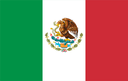
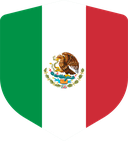
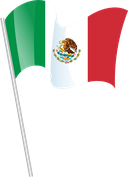
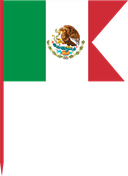
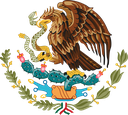
The flag of Mexico consists of three vertical stripes of equal width. From left to right, the colors are green, white, and red. At the center of the white stripe is Mexico’s national coat of arms, which features an eagle perched on a cactus while holding a snake in its beak and talon.
The proportions of the flag are carefully defined, and the coat of arms is an essential part of the design. Without it, the flag would resemble other tricolor flags, but the central emblem gives Mexico’s flag its unique identity and historical depth.
Meaning of the Colors and Symbols
Each color on the Mexican flag carries important meaning. The green stripe traditionally symbolizes hope and independence, reflecting the nation’s aspirations and freedom from colonial rule. It is also sometimes associated with the land and natural resources of Mexico.
The white stripe represents unity and peace, emphasizing national harmony and shared identity among Mexico’s diverse population.
The red stripe symbolizes the blood of national heroes who sacrificed their lives for Mexico’s independence and sovereignty.
The coat of arms is rooted in an ancient Aztec legend. According to tradition, the Aztecs were instructed to build their city where they saw an eagle perched on a cactus devouring a snake. This vision led to the founding of Tenochtitlán, now modern-day Mexico City. The emblem represents strength, resilience, and the blending of indigenous heritage with modern national identity.
Historical Background and Adoption
Mexico gained independence from Spain in 1821, and early versions of the flag were introduced during this period. While the green, white, and red tricolor has remained consistent, the design of the coat of arms has evolved over time.
The current version of the flag was officially adopted on September 16, 1968, standardizing the design and proportions of the national emblem. This adoption helped ensure consistency in official and international use. More background on this evolution can be found on the history of Mexico page.
Cultural and National Significance
The Mexican flag plays a central role in national life. It is honored during Flag Day on February 24, Independence Day celebrations, and other major national events. Citizens show deep respect for the flag, and special ceremonies are held in schools and public institutions.
Among Latin American flags, Mexico’s flag is often compared with the Flag of Italy due to similar colors, but the coat of arms clearly distinguishes it. It also shares historical symbolism with the Flag of Guatemala and other regional flags influenced by independence movements.
Official Use and Flag Etiquette
Mexico has strict guidelines regarding the respectful use of its flag. It is flown at government buildings, military installations, and embassies around the world. The flag is raised and lowered with formal ceremonies, especially on national holidays.
The flag must never touch the ground, and damaged flags are disposed of in a dignified manner. These practices highlight the deep respect Mexicans have for their national symbol.
The Flag in Modern Mexico
Today, the flag of Mexico is widely used beyond official settings. It appears in sports events, cultural festivals, and international competitions, symbolizing national pride and unity. Its powerful imagery continues to resonate with Mexicans both at home and abroad.
The flag’s combination of ancient legend and modern symbolism makes it a timeless representation of Mexico’s past, present, and future.
Questions About the Flag of Mexico
When was the current flag of Mexico adopted?
The current version was officially adopted on September 16, 1968.
What does the eagle on the flag represent?
It represents an ancient Aztec legend and symbolizes strength and resilience.
Why are green, white, and red used on the flag?
They represent independence and hope, unity and peace, and the blood of national heroes.
Is Mexico’s flag similar to Italy’s flag?
Yes, the colors are similar, but Mexico’s flag includes a central coat of arms.
Does Mexico have special laws about its flag?
Yes, Mexico has strict rules regarding respectful display and use of the flag.