


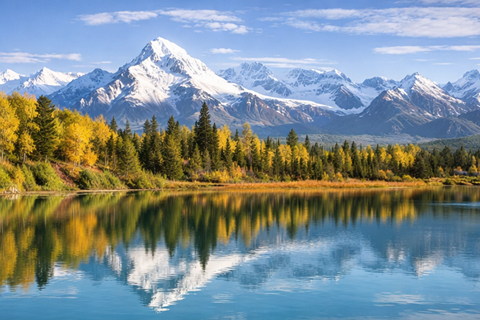
Alaska is the largest state of the United States, located in the far northwest of North America. The history of Alaska is shaped by extreme geography, ancient Indigenous cultures, Russian exploration, American expansion, and modern strategic importance. For thousands of years, Alaska developed separately from much of the continent, creating strong local traditions and deep connections to land and sea.
Unlike many regions, Alaska’s history is closely tied to survival in harsh conditions. Its story connects ancient migration routes, colonial rivalry, and global politics, making Alaska a unique part of North American history.
Geography and Historical Importance
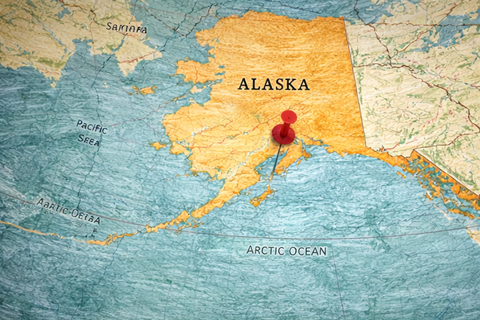
Alaska’s geography has influenced every stage of its history. The region includes:
- Mountains
- Glaciers
- Tundra
- Long coastlines
Because of this geography:
- Large populations developed slowly
- Travel depended on rivers and the sea
- Outside control was difficult
Alaska’s position also connected Asia and North America, shaping early human migration.
Early Human Migration
The first humans arrived in Alaska more than 15,000 years ago. Many historians believe Alaska was the main entry point for early people moving from Asia into the Americas.
These early migrants crossed a land bridge that once connected Alaska with areas that are now part of Russia. Over time, they spread south into other parts of the continent.
Indigenous Peoples of Alaska
Alaska is home to many Indigenous groups, including:
- Inuit
- Yupik
- Aleut
- Athabaskan peoples
Each group adapted to its environment and developed distinct languages, tools, and traditions.
Traditional Indigenous Life
Indigenous societies relied on:
- Hunting
- Fishing
- Seasonal migration
They built strong community systems and passed knowledge orally from one generation to the next. Respect for nature played a central role in daily life.
Alaska and Early Trade Networks
Long before European arrival, Alaska was part of regional trade networks. Indigenous groups exchanged:
- Tools
- Furs
- Food
These networks connected coastal and inland communities and strengthened cultural ties.
Russian Exploration (18th Century)
In the 18th century, Russian explorers reached Alaska while searching for fur resources.
Russian expeditions:
- Explored coastal regions
- Established trading posts
- Claimed territory
This marked the beginning of foreign influence in the region.
Russian America
Alaska became known as Russian America. The Russian presence focused mainly on:
- Fur trading
- Coastal settlements
The Russian population remained small, and control over the vast territory was limited.
Impact on Indigenous Communities
Russian colonization disrupted Indigenous life through:
- Forced labor
- Disease
- Cultural pressure
Despite this, many Indigenous traditions survived and adapted.
Religious and Cultural Influence
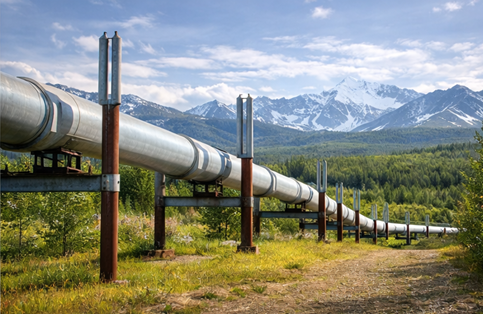
Russian Orthodox missionaries introduced Christianity to Alaska. Some Indigenous communities adopted elements of Orthodox belief while keeping traditional practices.
This blending created unique cultural expressions that are still visible today.
Decline of Russian Control
By the mid-19th century:
- Fur resources declined
- Russian profits decreased
- Maintaining Alaska became costly
Russia began to consider leaving the region.
Sale of Alaska (1867)
In 1867, Russia sold Alaska to the United States. The deal became known as the Alaska Purchase.
At the time, many Americans questioned the value of the land.
Early American Rule
After the purchase:
- Military administration was established
- Civil government developed slowly
For many years, Alaska remained loosely governed.
Gold Rush Era
In the late 19th century, gold discoveries transformed Alaska.
The Klondike Gold Rush brought:
- Thousands of settlers
- Rapid population growth
- New economic activity
New towns and transport routes were developed.
Social Change and Settlement
Gold rush settlements created:
- Diverse communities
- New industries
- Increased U.S. interest in the region
However, Indigenous people often faced displacement.
Alaska Becomes a Territory
In 1912, Alaska officially became a U.S. territory.
This brought:
- More organized governance
- Infrastructure development
- Greater federal involvement
World War II and Strategic Role
During World War II, Alaska gained major military importance.
The region:
- Hosted military bases
- Faced direct attacks in the Aleutian Islands
This showed Alaska’s strategic value.
Cold War Significance
During the Cold War, Alaska’s proximity to the Soviet Union increased its military importance. Defense systems were built as part of broader global security strategies.
Push for Statehood
After World War II, residents demanded full statehood to gain better representation and rights. Support for statehood grew across the region.
Alaska Becomes a State (1959)
In 1959, Alaska became the 49th state of the United States.
Statehood allowed:
- Greater local self-government
- Stronger political voice
- Better long-term economic planning
Discovery of Oil
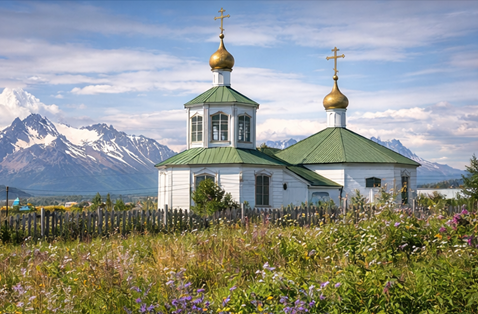
In the late 20th century, major oil discoveries changed Alaska’s economy.
Oil development:
- Brought wealth
- Created jobs
- Raised environmental concerns
Oil revenue helped support public services.
Alaska Native Rights Movement
Indigenous communities pushed for land rights and legal recognition. This led to major agreements that protected Native land claims and cultural rights.
Environmental Awareness
Alaska’s natural environment became central to national and global discussions. Conservation efforts increased, supported by international cooperation and organizations such as the United Nations (UN).
Modern Alaska
Today, Alaska’s economy includes:
- Energy
- Fishing
- Tourism
The state continues to balance development with environmental protection.
Society and Cultural Identity
Modern Alaska reflects:
- Indigenous heritage
- Frontier traditions
- Modern American life
Cultural diversity remains one of its defining features.
Alaska in the Global Context
Because of its location, Alaska plays an important role in global issues such as climate change, Arctic policy, and international cooperation, especially in northern regions.
Key Historical Timeline of Alaska
- More than 15,000 years ago: Early human migration
- 18th century: Russian exploration
- 1867: Alaska Purchase
- Late 1800s: Gold Rush
- 1912: Becomes a U.S. territory
- 1940s: World War II
- 1959: Becomes a U.S. state
- Modern era: Energy development and conservation
Frequently Asked Questions (FAQ)
Who lived in Alaska before Europeans?
Indigenous peoples such as Inuit, Yupik, Aleut, and Athabaskan groups.
Why did Russia sell Alaska?
Because it was costly and difficult to maintain and defend.
What made Alaska important in World War II?
Its strategic location near Asia and the North Pacific.
Sources and Historical Accuracy
This article is written for educational and informational purposes only. It is based on widely accepted North American, Arctic, and Indigenous historical research and academic studies. The content is original and written in a neutral and objective tone.
Conclusion
The history of Alaska is a story of migration, adaptation, and strategic importance. From ancient Indigenous societies and Russian exploration to American statehood and modern global relevance, Alaska has developed through resilience and a strong connection to its environment. Understanding its past explains why Alaska remains both culturally distinct and globally significant today.
Featured History













All Rights Reserved © 2025