


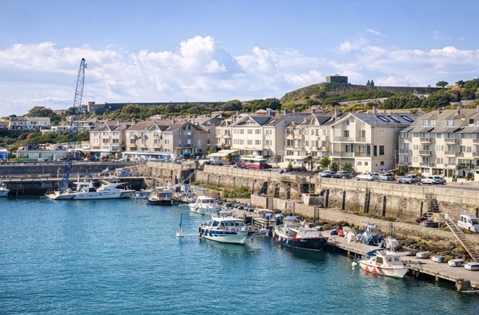
Alderney is a small island in the English Channel, close to the coast of France but politically connected to the British Crown. It is one of the Channel Islands, along with Jersey and Guernsey. Although Alderney is small in size, its history has been shaped by its strategic location, maritime life, foreign influence, and dramatic events during the 20th century.
Because of its position between Britain and continental Europe, Alderney has often been affected by wider European conflicts. Its past shows how even very small islands can play an important role in regional politics and military strategy.
Geography and Strategic Location
Alderney lies at the northern end of the Channel Islands group. The island is surrounded by strong tides and rocky coastlines.
This geography meant:
- Natural protection against invasion
- Great importance for navigation and shipping
- Strong military value during times of war
Its closeness to France made it especially sensitive during conflicts involving mainland Europe.
Early Human Settlement
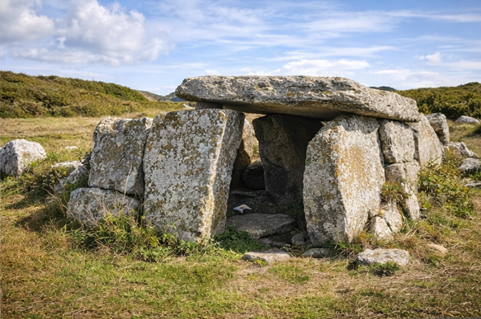
Archaeological evidence shows that Alderney was inhabited in prehistoric times. Early settlers relied on fishing, gathering, and small-scale farming.
Stone tools and burial sites show:
- Long-term human presence
- Organized early communities
The sea was central to survival, transport, and communication.
Alderney in the Roman Period
During the Roman era, the Channel Islands were known to the Romans, although Alderney never became a major Roman settlement.
Roman influence included:
- Trade connections
- Use of sea routes
The island remained lightly populated and mostly rural.
Early Medieval Period
After the fall of the Roman Empire, Alderney experienced periods of population decline. Like many small islands, it went through cycles of abandonment and resettlement.
Christianity gradually spread through missionary influence from nearby regions.
Norman Influence
In the medieval period, Alderney came under the influence of the Norman rulers, who controlled large parts of northern France and later England.
This connected Alderney politically to the English Crown, a relationship that continues today through the British monarchy.
Feudal Rule and Local Governance
Under the feudal system:
- Land was controlled by local lords
- Farming and fishing supported the economy
- The population remained small
Alderney developed its own local customs while remaining loyal to the Crown.
Alderney as Part of the Channel Islands
Over time, Alderney became a formal part of the Channel Islands group. It kept its own local administration while sharing defense and foreign relations with Britain.
The island developed a strong local identity, different from both England and France.
Maritime Life and Trade
For centuries, Alderney’s economy depended on the sea.
Many islanders worked as:
- Fishermen
- Sailors
- Traders
Trade routes connected Alderney with ports in both England and France.
18th and 19th Century Developments
During the 18th and 19th centuries, Britain strengthened Alderney’s defenses.
Fortifications were built to:
- Protect against possible French invasion
- Control important sea lanes
Alderney became heavily militarized compared to its small size.
Construction of Forts and Harbors
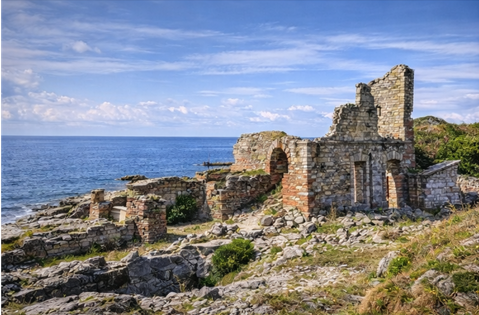
Large forts and breakwaters were constructed during this period.
These projects:
- Changed the island’s landscape
- Attracted workers
- Increased the military presence
Many of these structures still exist today.
Alderney in World War I
During World War I, Alderney mainly served as a defensive outpost. The island did not experience direct fighting, but military readiness increased.
The war once again showed Alderney’s strategic importance.
World War II and German Occupation
World War II was the most dramatic and painful period in Alderney’s history.
In 1940, the island was evacuated, and German forces occupied it. Alderney became the only part of the British Isles occupied by Nazi Germany.
Forced Labor Camps
During the occupation, the Germans built labor camps on Alderney.
These camps:
- Used forced labor
- Had extremely harsh conditions
- Caused great human suffering
This remains one of the darkest chapters in the island’s history.
Liberation and Aftermath
In 1945, Alderney was liberated. When the islanders returned, they found much of the island damaged or deeply changed.
Rebuilding took many years, both physically and emotionally.
Post-War Reconstruction
After the war:
- Infrastructure was rebuilt
- Civil administration was restored
- The population slowly returned
Life gradually returned to normal.
Political Relationship with the United Kingdom
Alderney is not part of the United Kingdom, but it is a Crown Dependency.
This means:
- The island has local self-government
- Britain is responsible for defense and foreign affairs
This special status continues to shape Alderney’s modern political system.
Modern Self-Government
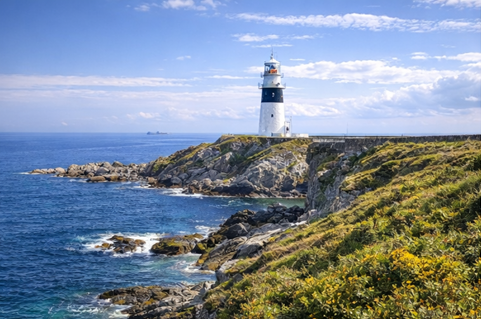
Today, Alderney has its own parliament and local laws. It works closely with Guernsey for some shared services.
Local democracy remains an important part of island life.
Economy in Modern Times
Alderney’s modern economy depends mainly on:
- Tourism
- Financial services
- Small local businesses
Its natural beauty and history attract many visitors.
Culture and Identity
Alderney’s culture reflects:
- British traditions
- Island life
- The strong memory of wartime experiences
Because of the small population, community ties are very strong.
Alderney and the International Context
Although small, Alderney’s wartime history is studied internationally, especially in discussions about forced labor and human rights.
Key Historical Timeline of Alderney
- Prehistoric era: Early settlement
- Roman period: Limited influence
- Medieval era: Norman rule
- 18th–19th centuries: Heavy fortification
- 1940–1945: German occupation
- Post-1945: Reconstruction
- Modern era: Self-governing island
Frequently Asked Questions (FAQ)
Where is Alderney located?
It is in the English Channel near the coast of France.
Is Alderney part of the UK?
No, it is a Crown Dependency, not part of the United Kingdom.
Why is Alderney historically important?
Because it was occupied during World War II and had forced labor camps.
Sources and Historical Accuracy
This article is written for educational and informational purposes only. It is based on widely accepted Channel Islands history, wartime records, and academic research. The content is original and written in a neutral and objective tone.
Conclusion
The history of Alderney shows how a small island can be deeply affected by global events. From early settlement and medieval rule to heavy fortification and wartime occupation, Alderney’s past has been shaped by its strategic location. Today, the island stands as a peaceful community that remembers its history while looking toward the future.
Featured History









All Rights Reserved © 2025