


Turkic Council Member Countries – Full List & Details
The Turkic Council Member Countries page provides a complete overview of the nations that participate in this regional cooperation organization. Officially known today as the Organization of Turkic States (OTS), the Turkic Council was established in 2009 to strengthen political, economic, and cultural ties among Turkic-speaking countries. The organization promotes cooperation in trade, education, transport, and regional development. This guide explains which countries are members, how membership works, and why the Turkic Council plays an important role in regional integration across Eurasia.
What is the Turkic Council?
The Organization of Turkic States, formerly known as the Turkic Council, is an intergovernmental organization that promotes cooperation among Turkic-speaking countries.
The organization focuses on:
- Political coordination
- Economic integration
- Cultural exchange
- Transportation and connectivity
- Trade cooperation
- Regional stability
The Secretariat is headquartered in Istanbul, Türkiye.
How Many Members Are in the Turkic Council?
The Organization of Turkic States currently has 5 full member states and several observer states.
Membership is open to Turkic-speaking countries that support the organization’s charter and cooperation principles.
Complete List of Turkic Council Member Countries
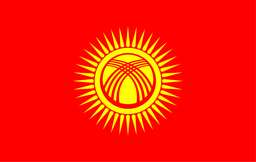
Below is the full list of member countries:
In addition to full members, the organization includes observer states that participate in selected activities.
You can explore each country’s national flag in our Turkic Countries Flags section for more detailed information.
Historical Background of Membership
The Turkic Council was officially established on 3 October 2009 through the Nakhchivan Agreement.
Originally formed by four countries, the organization later expanded to include additional Turkic-speaking states.
In 2021, the organization was renamed the Organization of Turkic States to reflect its broader cooperation framework.
Why Turkic Council Membership Matters
Membership in the Turkic Council provides several benefits:
Economic Cooperation
Member states strengthen trade and investment partnerships.
Transportation Connectivity
Projects enhance regional transport corridors linking Europe and Asia.
Cultural and Educational Exchange
Programs promote shared linguistic and cultural heritage.
Political Dialogue
Leaders coordinate on regional and international issues.
Regional Stability
Cooperation enhances diplomatic and economic resilience.
Economic and Strategic Importance
Turkic Council member countries represent:
- Key trade corridors between Europe and Asia
- Significant natural resources
- Growing industrial and agricultural markets
- Expanding infrastructure networks
Regional integration strengthens economic influence.
Governance Structure
The organization operates through:
- Council of Heads of State
- Council of Foreign Ministers
- Secretariat
- Various working groups
Decisions are based on consensus and voluntary participation.
Role of the Turkic Council Flag
The Flag of Turkic Council symbolizes unity among Turkic-speaking nations.
It is displayed at:
- Official summits
- Diplomatic meetings
- Cultural events
- Secretariat headquarters
The flag reflects shared heritage and regional cooperation.
Relationship with National Sovereignty
Membership does not replace national authority.
Each member country:
- Maintains its own constitution
- Controls domestic and foreign policy
- Preserves its national flag and identity
The organization promotes cooperation rather than political integration.
Regional Influence of Turkic Council Members
The organization plays a role in:
- Trade route development
- Energy cooperation
- Cultural diplomacy
- Regional connectivity projects
Its geographic position connects Central Asia, the Caucasus, and Türkiye.
Interesting Facts About Turkic Council Members
- Established in 2009
- Renamed in 2021
- Includes 5 full member states
- Headquarters is in Istanbul
- Focuses on cultural and economic cooperation
Questions About Turkic Council Member Countries
How many countries are members of the Turkic Council?
There are 5 full member states.
When was the organization established?
It was founded in 2009.
What is the main purpose of the Turkic Council?
To promote cooperation among Turkic-speaking countries.
Does membership replace national governments?
No, member states remain sovereign.
Where is the Secretariat located?
It is located in Istanbul, Türkiye.






All Rights Reserved © 2025