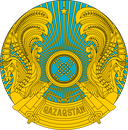
Design of the Flag of Kazakhstan
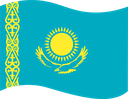
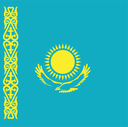
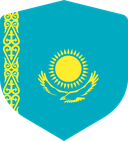
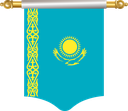
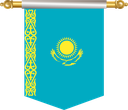
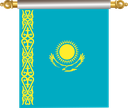
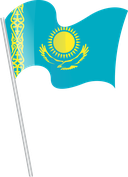
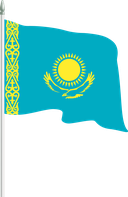
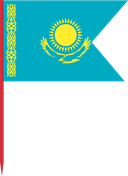
The Flag of Kazakhstan features a light blue field covering the entire background.
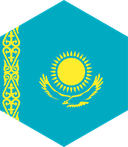
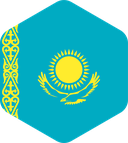
At the center of the flag is a golden sun with 32 rays, positioned above a golden steppe eagle with outstretched wings. Along the hoist side of the flag runs a vertical national ornamental pattern in gold, known as koshkar-muiz.
The overall design is balanced and elegant, combining symbolism with cultural tradition.
Meaning of Colors and Symbols
Each element of the Flag of Kazakhstan carries deep symbolic meaning.
The sky-blue color represents peace, unity, and the vast sky that has always been central to Kazakh nomadic life. It also symbolizes freedom and openness.
The golden sun represents life, energy, and prosperity. Its rays are shaped like grains, symbolizing abundance and agricultural wealth.
The steppe eagle represents strength, independence, and vision. In Kazakh culture, the eagle symbolizes power and the ability to protect freedom.
The national ornament along the hoist reflects Kazakh artistic tradition and cultural continuity. It symbolizes heritage, harmony, and respect for ancestral identity.
Together, these symbols express sovereignty, optimism, and cultural pride.
Historical Background of the Kazakhstan Flag
The Flag of Kazakhstan was officially adopted on June 4, 1992, shortly after Kazakhstan gained independence from the Soviet Union in 1991.
During the Soviet era, Kazakhstan used a red flag with communist symbols. After independence, a nationwide design competition was held to create a flag that reflected national culture rather than ideology.
The winning design successfully combined modern statehood with traditional Kazakh symbolism. Readers interested in this transition can explore more context on the History of Kazakhstan page.
Cultural and National Significance
The Flag of Kazakhstan holds strong cultural and emotional significance. It represents the revival of national identity after decades of external rule.
The flag is prominently displayed during Independence Day celebrations, official ceremonies, and international events. For citizens, it symbolizes unity among diverse ethnic groups and pride in Kazakhstan’s heritage and future.
The sky-blue color has become a powerful national identifier both domestically and abroad.
Relationship to Other Central Asian Flags
The Flag of Kazakhstan shares certain themes with other Central Asian flags, such as references to the sky, nature, and cultural heritage.
However, Kazakhstan’s flag stands out for its minimalist elegance and the prominent use of a single background color. The eagle and sun combination gives it a unique and instantly recognizable identity.
Comparing Central Asian flags highlights Kazakhstan’s emphasis on freedom, openness, and tradition.
Modern Use of the Flag of Kazakhstan
Today, the Flag of Kazakhstan is flown on government buildings, schools, public institutions, and national monuments across the country. It is also displayed at embassies, international organizations, and global sporting events representing Kazakhstan abroad.
The flag plays an important role in education and civic life, helping citizens understand national values, independence, and cultural heritage. Its continued use reinforces Kazakhstan’s identity as a modern and sovereign state.
Interesting Facts About the Flag of Kazakhstan
- It was adopted in 1992.
- The background color symbolizes the sky.
- The sun has 32 rays.
- The eagle represents freedom.
- The ornament reflects Kazakh culture.
Frequently Asked Questions
What does the eagle on the Kazakhstan flag represent?
It represents freedom, strength, and independence.
When was the Flag of Kazakhstan adopted?
It was adopted on June 4, 1992.
Why is the Kazakhstan flag blue?
Blue symbolizes peace, unity, and the open sky.
What does the ornament on the flag mean?
It represents traditional Kazakh art and heritage.
Where is the Kazakhstan flag commonly displayed?
It is flown on public buildings and during national events.