Design of the Flag of Central American Integration System
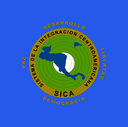
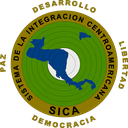
The Flag of Central American Integration System features a white background with the official SICA emblem placed at the center.
The emblem includes:
- A blue circular shape
- A map of Central America
- The name of the organization in Spanish around the emblem
The design is balanced and professional, emphasizing geographic unity and diplomatic cooperation.
Meaning of Colors and Symbols
Each element of the Flag of Central American Integration System carries symbolic meaning connected to regional integration.
The white background represents peace, clarity, and transparency in cooperation among member states.
The blue color symbolizes the surrounding oceans and the shared maritime environment of Central America. It also reflects trust, stability, and diplomatic harmony.
The map of Central America emphasizes geographic unity and common regional identity.
The circular structure symbolizes equality and partnership among nations.
Together, these elements express shared responsibility, peace, and integration.
Historical Background of the Central American Integration System Flag
The Central American Integration System, officially known as Central American Integration System, was established in 1991.
It was created to promote economic integration, political coordination, and sustainable development among Central American countries. The organization builds on earlier efforts toward regional unity in the 20th century.
As part of its institutional development, an official emblem and flag were adopted to represent collective identity and integration goals.
Readers interested in regional diplomacy can explore more context on the History of the Central American Integration System page.
Political and Regional Significance
The Flag of Central American Integration System symbolizes cooperation in trade, security, infrastructure, environmental protection, and public policy.
It is displayed during regional summits, ministerial meetings, and official gatherings. When shown, the flag represents collective decision-making and regional dialogue.
The flag reinforces the idea of integration while respecting the independence of each member state.
Relationship to Member States’ National Flags
The Flag of Central American Integration System complements national flags.
At official events, it is displayed alongside the flags of member countries, reinforcing unity while maintaining sovereignty. Each state continues to operate under its own national symbols and governance.
Comparing regional and national flags highlights how integration can coexist with independent statehood.
Modern Use of the Flag of Central American Integration System
Today, the Flag of Central American Integration System is used at:
- SICA headquarters and offices
- Regional summits and diplomatic forums
- Development and infrastructure initiatives
- Official documents and publications
The flag also appears in academic discussions and policy materials related to Central American integration.
Its continued use reinforces shared development goals and regional stability.
Interesting Facts About the Flag of Central American Integration System
- The organization was established in 1991
- The emblem features a map of Central America
- Blue symbolizes regional waters and cooperation
- White represents peace and transparency
- It is used alongside national flags
Questions About the Flag of Central American Integration System
What does the Flag of Central American Integration System represent?
It represents regional integration and cooperation in Central America.
When was the organization established?
It was established in 1991.
Why is a map shown on the flag?
The map represents geographic unity among member states.
Does the flag replace national flags?
No, it is displayed alongside national flags.
Where is the flag commonly displayed?
At regional summits and official meetings.