


Central American Integration System Member Countries – Full List & Details
The Central American Integration System Member Countries page provides a complete overview of the nations that form SICA. Established in 1991, the Central American Integration System promotes regional cooperation, economic development, democratic governance, and security coordination among Central American states. The organization builds on earlier regional unity efforts and aims to strengthen integration across political, economic, and social sectors. This guide explains which countries are members, how membership functions, and why SICA plays an important role in regional stability and development.
What is the Central American Integration System?
The Central American Integration System, commonly known as SICA (Sistema de la Integración Centroamericana), is an intergovernmental organization created to advance integration in Central America.
SICA focuses on:
- Economic integration
- Democratic governance
- Regional security
- Environmental sustainability
- Social development
- Infrastructure cooperation
The SICA General Secretariat is headquartered in San Salvador, El Salvador.
How Many Members Are in SICA?
The Central American Integration System has 8 full member states.
Membership is open to Central American countries that accept the principles outlined in the Tegucigalpa Protocol.
Complete List of SICA Member Countries
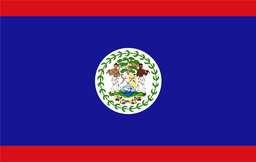
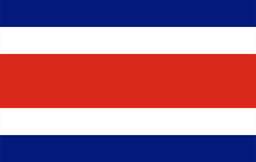
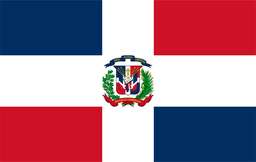
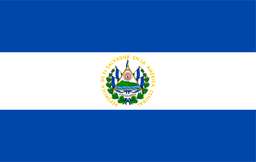
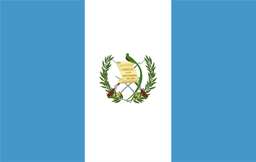
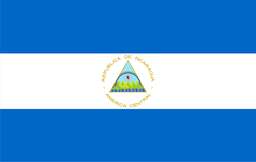
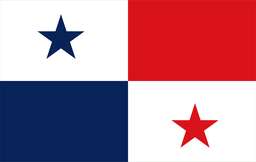
Below is the full list of Central American Integration System member countries:
Although the Dominican Republic is geographically located in the Caribbean, it is a full member of SICA due to political and economic cooperation agreements.
You can explore each national flag in our Central American Countries Flags section for more information.
Historical Background of SICA Membership
SICA was formally established on 13 December 1991 through the Tegucigalpa Protocol.
It succeeded earlier regional integration efforts that began in the mid-20th century. The organization was created to strengthen peace and stability after periods of political conflict in Central America.
The expansion of membership over time reflects increasing commitment to regional cooperation.
Why SICA Membership Matters
Membership in the Central American Integration System provides several advantages:
Economic Integration
SICA promotes regional trade agreements and economic collaboration.
Democratic Governance
Member states coordinate efforts to strengthen democratic institutions.
Regional Security
Cooperation addresses issues such as crime prevention and border security.
Environmental Protection
Joint initiatives focus on climate resilience and disaster management.
Infrastructure Projects
Regional transportation and energy networks improve connectivity.
Economic Importance of SICA Members
Combined, SICA member countries represent:
- A strategic trade corridor between North and South America
- Access to both the Pacific Ocean and the Caribbean Sea
- Growing regional markets
- Integrated customs systems
Regional cooperation enhances competitiveness and foreign investment.
Role of the SICA Flag
The Flag of Central American Integration System represents unity among its member states.
It is displayed at:
- Regional summits
- Government meetings
- Development forums
- Official headquarters
The flag symbolizes cooperation and shared identity rather than political unification.
Relationship with National Sovereignty
SICA does not override national authority.
Each member country:
- Maintains its own constitution
- Controls its own foreign policy
- Preserves its national flag and identity
The organization operates through consensus and mutual agreement.
Regional Challenges and Cooperation
SICA members collaborate on addressing:
- Economic inequality
- Climate change
- Natural disasters
- Migration
- Trade barriers
Regional cooperation strengthens collective response to shared challenges.
Integration Goals and Future Vision
SICA continues to promote:
- Sustainable economic growth
- Cross-border trade
- Regional infrastructure
- Social inclusion
- Peaceful conflict resolution
The organization aims to deepen integration while maintaining national independence.
Interesting Facts About SICA Members
- SICA was established in 1991
- It includes 8 member states
- Headquarters is in San Salvador
- It promotes economic and political integration
- It builds on earlier Central American unity efforts
Questions About Central American Integration System Member Countries
How many countries are members of SICA?
There are 8 full member states.
When was SICA established?
It was established in 1991.
What is the main goal of SICA?
To promote regional integration and cooperation.
Does SICA replace national governments?
No, member states remain sovereign.
Where is the SICA headquarters located?
It is located in San Salvador, El Salvador.



All Rights Reserved © 2025