


Eurasian Economic Union Member Countries – Full List & Details
The Eurasian Economic Union Member Countries page provides a complete overview of the nations that form the EAEU. Established in 2015, the Eurasian Economic Union promotes economic integration, free movement of goods, services, capital, and labor among its member states. The organization builds on earlier customs union agreements and aims to strengthen regional trade and economic stability across Eurasia. This guide explains which countries are members, how EAEU membership functions, and why the union plays an important role in regional economic cooperation.
What is the Eurasian Economic Union (EAEU)?
The Eurasian Economic Union is an intergovernmental economic organization focused on integration among member states.
The EAEU works on:
- Customs union policies
- Common market regulations
- Free movement of labor
- Economic coordination
- Trade agreements
- Industrial cooperation
The Eurasian Economic Commission, the union’s executive body, is headquartered in Moscow, Russia.
How Many Members Are in the EAEU?
The Eurasian Economic Union currently has 5 full member states.
Membership is open to countries that agree to the union’s treaty and economic integration framework.
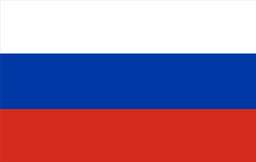
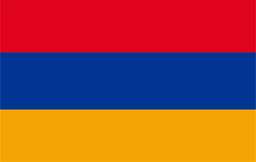
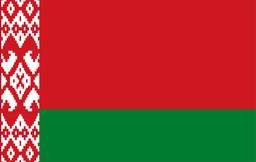
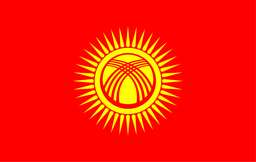
Complete List of Eurasian Economic Union Member Countries
Below is the full list of EAEU member countries:
Each member state retains full sovereignty while participating in shared economic policies and customs regulations.
You can explore each country’s national flag in our Eurasian Countries Flags section for more information.
Historical Background of EAEU Membership
The Eurasian Economic Union officially began operations on 1 January 2015.
It evolved from earlier agreements such as the Eurasian Customs Union and the Eurasian Economic Community.
The formation of the EAEU marked a deeper level of economic integration, focusing on removing trade barriers and harmonizing regulations among member states.
Why EAEU Membership Matters
Membership in the Eurasian Economic Union provides several advantages:
Customs Union
Member states operate under a unified customs tariff system.
Free Movement of Labor
Citizens can work more easily across member countries.
Trade Facilitation
Reduced trade barriers promote regional commerce.
Industrial Cooperation
Member states coordinate industrial and agricultural policies.
Economic Stability
Integration strengthens economic resilience.
Economic Significance of EAEU Members
Combined, EAEU member countries represent:
- Significant energy resources
- Large geographic territory across Europe and Asia
- Major trade corridors
- Integrated transportation networks
Regional cooperation enhances economic competitiveness.
Governance Structure of the EAEU
The EAEU operates through:
- Supreme Eurasian Economic Council
- Eurasian Intergovernmental Council
- Eurasian Economic Commission
- Court of the Eurasian Economic Union
Decisions are made based on treaty obligations and intergovernmental agreements.
Role of the EAEU Flag
The Flag of Eurasian Economic Union represents unity and economic cooperation among its member states.
It is displayed at:
- EAEU summits
- Trade forums
- Official headquarters
- Economic coordination meetings
The flag symbolizes economic partnership rather than political unification.
Relationship with National Sovereignty
EAEU membership does not eliminate national independence.
Each member state:
- Maintains its own constitution
- Controls domestic governance
- Preserves its national flag and symbols
The union focuses on economic coordination rather than political integration.
Regional Impact of EAEU Members
The EAEU plays a role in:
- Trade negotiations with external partners
- Regional economic agreements
- Infrastructure development
- Cross-border investment initiatives
Its influence extends across Eurasia.
Interesting Facts About EAEU Members
- The EAEU was launched in 2015
- It has 5 member states
- Headquarters is in Moscow
- It builds on earlier customs union agreements
- It promotes a common market framework
Questions About Eurasian Economic Union Member Countries
How many countries are members of the EAEU?
There are 5 full member states.
When was the EAEU established?
It began operations in 2015.
What is the main purpose of the EAEU?
To promote economic integration and trade cooperation.
Does EAEU membership replace national governments?
No, member states remain sovereign.
Where is the EAEU headquarters located?
The Eurasian Economic Commission is in Moscow, Russia.



All Rights Reserved © 2025