Design of the Flag of Belarus
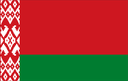
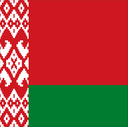
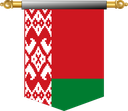
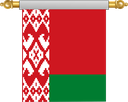
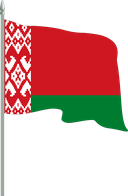
The flag of Belarus features two horizontal bands with a vertical ornamental stripe along the hoist side. The upper horizontal band is red, while the lower band is green. On the hoist side, a white vertical strip displays a red traditional ornamental pattern.
The red band occupies roughly two-thirds of the flag’s height, while the green band takes up the remaining lower portion. The ornamental pattern is woven-style and geometric, giving the flag a distinctive cultural appearance. This design sets the Belarus flag apart from most other national flags, especially in Europe.
Meaning of Colors and Symbols
Each element of the Belarus flag carries symbolic meaning rooted in history and culture. The red color represents courage, sacrifice, and historical struggle. It is associated with important historical events and the bravery of the Belarusian people.
The green color symbolizes the country’s forests, fields, and agricultural heritage. It represents growth, renewal, and hope for the future. Green also reflects the natural landscape that plays a major role in Belarusian identity.
The ornamental pattern on the white stripe is inspired by traditional Belarusian folk designs. It symbolizes cultural continuity, craftsmanship, and national heritage. The white background represents purity, peace, and honesty, reinforcing values tied to tradition and identity.
Historical Background of the Belarus Flag
The current flag of Belarus was officially adopted in 1995, following a national referendum. Its design is based on a flag used during the Soviet era, with modifications made to remove communist symbols while preserving traditional elements.
Earlier versions of the Belarus flag included different color combinations and designs, particularly during periods of national movements. The adoption of the current flag reflected a desire to emphasize continuity, stability, and cultural heritage. Readers interested in the broader political and historical context can explore more details on the History of Belarus page.
Cultural and National Significance
The flag of Belarus holds significant cultural and political importance. It is a symbol of state authority, national unity, and historical continuity. The flag is prominently displayed on government buildings, schools, and during official ceremonies.
For many citizens, the ornamental pattern is especially meaningful, as it connects modern Belarus to centuries-old folk traditions. The flag serves as a visual reminder of shared cultural roots and national identity.
Relationship to Other European Flags
The Belarus flag differs from most European flags due to its use of a traditional decorative pattern. While many European flags rely on simple tricolors or crosses, Belarus incorporates folk art directly into its national symbol.
This approach emphasizes cultural heritage rather than purely political symbolism. Visitors exploring European flags may find the Belarus flag notable for blending traditional design with a modern national layout.
Modern Use of the Flag of Belarus
Today, the flag of Belarus is widely used in official and public contexts. It is flown at government institutions, public events, and national celebrations. The flag is also displayed at international events where Belarus is represented.
The design is commonly used in educational materials and state media, reinforcing its role as a symbol of national identity. Its continued use highlights the importance placed on tradition and continuity.
Interesting Facts About the Flag of Belarus
- The flag includes a traditional folk ornament pattern.
- It was officially adopted in 1995.
- Red and green are the dominant colors.
- The design is unique among European national flags.
- The ornament is based on traditional textile designs.
Frequently Asked Questions
What does the ornament on the Belarus flag represent?
It represents traditional Belarusian culture, craftsmanship, and heritage.
Why are red and green used on the Belarus flag?
Red symbolizes courage and sacrifice, while green represents nature and renewal.
When was the flag of Belarus adopted?
The current flag was adopted in 1995.
Is the Belarus flag similar to any historical flags?
Yes, it is based on a modified version of a Soviet-era design.
Where is the Belarus flag commonly displayed?
It is flown on government buildings, schools, and during official events.