


Gulf Cooperation Council Member Countries – Full List & Details
The Gulf Cooperation Council Member Countries page provides a complete overview of the nations that form the GCC. Established in 1981, the Gulf Cooperation Council promotes economic integration, political coordination, and regional security cooperation among Gulf states. The organization plays a key role in trade, energy policy, infrastructure development, and diplomatic coordination in the Arabian Peninsula. This guide explains which countries are members, how GCC membership functions, and why the council is strategically important in the Middle East.
What is the Gulf Cooperation Council (GCC)?
The Gulf Cooperation Council is a regional intergovernmental organization formed by countries of the Arabian Gulf.
The GCC focuses on:
- Economic integration
- Customs union and common market
- Political coordination
- Regional security
- Energy cooperation
- Infrastructure development
The GCC Secretariat General is headquartered in Riyadh, Saudi Arabia.
How Many Members Are in the GCC?
The Gulf Cooperation Council has 6 full member states.
Membership is limited to Arab states located in the Gulf region that share geographic, economic, and cultural connections.
Complete List of Gulf Cooperation Council Member Countries
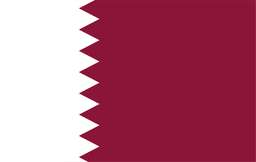
Below is the full list of GCC member countries:
Each of these countries maintains sovereignty while participating in regional economic and security initiatives.
You can explore each national flag in our Gulf Countries Flags section for more detailed information.
Historical Background of GCC Membership
The GCC was officially established on 25 May 1981.
The founding members were the six Gulf states listed above, and membership has remained unchanged since its creation.
The organization was formed to promote stability and cooperation in response to regional geopolitical challenges.
Why GCC Membership Matters
Membership in the Gulf Cooperation Council provides several benefits:
Economic Integration
The GCC established a customs union and works toward a common market.
Trade Cooperation
Member states coordinate trade policies and reduce internal tariffs.
Energy Collaboration
The region is a major global energy supplier, and cooperation enhances economic influence.
Regional Security
Members coordinate defense and security policies.
Infrastructure Development
Joint projects improve transportation, telecommunications, and logistics.
Economic Importance of GCC Members
Combined, GCC member countries represent:
- Significant oil and gas reserves
- Major global energy exporters
- Strong sovereign wealth funds
- High-income economies
Regional integration strengthens economic resilience and international bargaining power.
Governance Structure of the GCC
The GCC operates through:
- Supreme Council (Heads of State)
- Ministerial Council
- Secretariat General
- Specialized committees
Decisions are generally made by consensus among member states.
Role of the GCC Flag
The Flag of Gulf Cooperation Council symbolizes unity and cooperation among Gulf nations.
It is displayed at:
- GCC summits
- Diplomatic meetings
- Official headquarters
- Economic and security forums
The flag represents regional solidarity rather than political unification.
Relationship with National Sovereignty
GCC membership does not override national authority.
Each member state:
- Maintains its own constitution
- Controls domestic and foreign policy
- Preserves its national identity and flag
Participation is based on voluntary cooperation and shared regional interests.
Regional Influence of GCC Members
GCC member countries influence:
- Global energy markets
- Middle East diplomacy
- International trade negotiations
- Infrastructure investment across the region
Their coordinated policies enhance regional stability and global engagement.
Interesting Facts About GCC Members
- The GCC was founded in 1981
- It includes 6 member states
- Headquarters is located in Riyadh
- It promotes a customs union and common market
- All members are located in the Arabian Gulf region
Questions About Gulf Cooperation Council Member Countries
How many countries are members of the GCC?
There are 6 member states.
When was the GCC established?
It was established in 1981.
What is the main goal of the GCC?
To promote economic integration and regional cooperation.
Does GCC membership replace national governments?
No, each country remains sovereign.
Where is the GCC headquarters located?
It is located in Riyadh, Saudi Arabia.






All Rights Reserved © 2025