Design of the Flag of Qatar
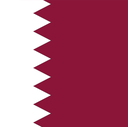
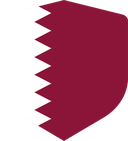
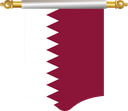
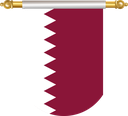
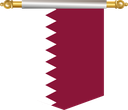
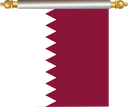
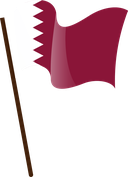
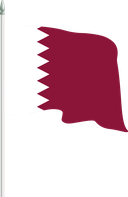
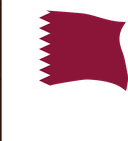
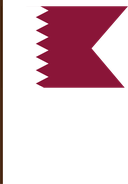
The flag of Qatar consists of two vertical sections. The hoist side is white, while the fly side is maroon. Separating the two colors is a serrated line with nine white triangular points.
The maroon section occupies a larger portion of the flag, giving it a strong visual presence. The serrated edge is one of the most recognizable features of the Qatari flag and makes it unique among national flags.
The proportions of the flag are unusual, with a length significantly longer than its height, further enhancing its distinctiveness.
Meaning of the Colors and Symbols
Each element of the Qatari flag carries historical and cultural meaning.
The white color symbolizes peace and clarity. It reflects Qatar’s desire for stability and diplomatic relations.
The maroon color represents the bloodshed and sacrifices made during historical conflicts, particularly those related to tribal wars in the region. Over time, the original red dye used in the flag darkened due to exposure to the sun, resulting in the distinctive maroon shade used today.
The nine serrated points represent Qatar as the ninth member of the “reconciled emirates” following the conclusion of a historic treaty with Britain in 1916. These points distinguish Qatar’s flag from similar designs in the Gulf region.
Historical Background and Adoption
Qatar’s early flags were similar to other regional banners and were primarily red or dark crimson. As Qatar established clearer political identity and autonomy, modifications were made to distinguish its flag from neighboring states.
In 1916, Qatar entered into a treaty with Britain, marking a significant step in formalizing its political status. The serrated edge and color differentiation helped set Qatar apart from nearby flags.
The flag was officially standardized in 1971, the same year Qatar gained full independence from British protection. Since then, the design has remained unchanged, symbolizing continuity and sovereignty.
More historical context can be found on the history of Qatar page.
Cultural and National Significance
The Qatari flag holds deep national importance and is widely displayed during National Day celebrations, official ceremonies, and public events.
It represents unity among citizens and pride in national identity. The unique maroon color has become strongly associated with Qatar and is often used in national branding, sports, and cultural representation.
Among Middle Eastern flags, Qatar’s design is often compared with the Flag of Bahrain, which also features a serrated edge. However, Qatar’s darker color and nine points clearly distinguish the two.
Official Use and Flag Etiquette
The flag of Qatar is flown at government buildings, schools, embassies, and public institutions. It is also displayed prominently during international sporting events and diplomatic meetings.
Respectful handling of the flag is encouraged. It should be kept clean, displayed properly, and treated as a symbol of national honor.
During periods of national mourning, the flag may be flown at half-mast according to official guidelines.
The Flag in Modern Qatar
In modern Qatar, the flag symbolizes progress, stability, and global engagement. It appears throughout public spaces, infrastructure projects, and international forums.
The flag plays a central role in national celebrations and is a strong visual marker of Qatari identity on the world stage.
Its consistent use reflects Qatar’s balance between tradition and modern development.
Design Strength and Recognition
The Qatari flag is instantly recognizable due to its maroon color, serrated edge, and unique proportions. These features ensure strong visibility and distinction from other national flags.
The simplicity of the design, combined with historical symbolism, makes it both meaningful and visually powerful.
Its uniqueness has made it one of the most identifiable flags in the Middle East.
Questions About the Flag of Qatar
When was the flag of Qatar officially adopted?
The current design was standardized in 1971.
What do the nine points on the flag represent?
They represent Qatar as the ninth reconciled emirate.
Why is the flag maroon instead of red?
The maroon color developed historically due to sun exposure on red dye.
How is Qatar’s flag different from Bahrain’s?
Qatar’s flag has nine points and a darker maroon color.
Is the Qatar flag the same on both sides?
Yes, the design appears on both sides of the flag.