Design of the Flag of Oman
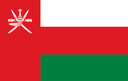
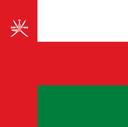
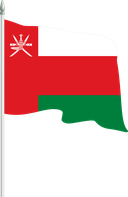
The flag of Oman features three horizontal stripes of white, red, and green, along with a vertical red stripe on the hoist side. Positioned at the top of the vertical stripe is the national emblem of Oman, displayed in white.
The horizontal stripes run from top to bottom as white, red, and green. The vertical red band separates the emblem from the rest of the flag, creating a balanced and recognizable layout.
The proportions and placement of colors ensure clarity and strong visibility, making the Omani flag easy to identify.
Meaning of the Colors and Symbols
Each color and symbol on the Omani flag carries historical and cultural meaning.
The white stripe represents peace, purity, and prosperity. It also symbolizes the role of religious leadership and harmony in Omani society.
The red color reflects bravery, strength, and the struggles Oman faced against foreign influence. Red has been historically associated with Oman and its resistance against invaders.
The green stripe symbolizes fertility, agriculture, and natural life. It also represents prosperity and the importance of land and mountains in Oman’s geography.
The national emblem, consisting of a khanjar (traditional dagger) and two crossed swords, represents Omani heritage, defense, and authority. The khanjar is a deeply respected cultural symbol and is worn during formal and national occasions.
Historical Background and Adoption
Oman is one of the oldest independent states in the Arab world, with a history of strong leadership and regional influence. Earlier Omani flags were often solid red, a color long associated with the ruling dynasty.
The modern tricolor design was introduced in 1970, following major political and social reforms. The flag was further standardized in 1995, clarifying color shades, proportions, and emblem placement.
The updated design reflects Oman’s balance between tradition and modern governance. More historical context can be found on the history of Oman page.
Cultural and National Significance
The Omani flag holds deep cultural significance and is displayed proudly during National Day celebrations, official ceremonies, and religious holidays.
It represents unity between the people and leadership, as well as respect for tradition and faith. The khanjar emblem is particularly meaningful, as it appears not only on the flag but also on official seals and currency.
Among Gulf flags, Oman’s design is often compared with the Flag of the United Arab Emirates and the Flag of Yemen, though Oman’s vertical stripe and emblem make it unique.
Official Use and Flag Etiquette
The flag of Oman is flown at government buildings, schools, embassies, and public institutions. It is also used during international diplomatic events and regional gatherings.
Respectful handling of the flag is encouraged. It should be displayed properly, kept clean, and treated with dignity, as it represents national honor and sovereignty.
During national mourning or special observances, the flag may be flown according to official protocol.
The Flag in Modern Oman
In modern Oman, the flag symbolizes stability, peace, and national pride. It is widely used in public spaces, educational materials, and international representation.
The flag reflects Oman’s commitment to preserving its heritage while engaging with the modern world. It continues to serve as a unifying symbol for citizens across the country.
Its design has remained consistent, reinforcing continuity and respect for tradition.
Design Strength and Recognition
The Omani flag is recognized for its clear symbolism and strong national identity. The combination of horizontal stripes and a vertical band adds visual interest without complexity.
The presence of the national emblem distinguishes the flag from many other tricolor designs, ensuring instant recognition.
Its balance of color and symbolism makes it both meaningful and visually effective.
Questions About the Flag of Oman
When was the current flag of Oman adopted?
The current standardized design was adopted in 1995.
What does the khanjar symbolize?
It represents Omani heritage, authority, and tradition.
Why is red important on the Omani flag?
Red symbolizes bravery and historical resistance.
What does the green stripe represent?
It represents fertility, agriculture, and prosperity.
Is the Oman flag the same on both sides?
Yes, the design appears on both sides of the flag.