


Nordic Council Member Countries – Full List & Details
The Nordic Council Member Countries page provides a complete overview of the nations and autonomous territories that participate in this regional cooperation body. Established in 1952, the Nordic Council promotes collaboration among the Nordic countries in areas such as legislation, culture, environment, and social policy. It is one of the oldest examples of successful regional cooperation in Europe. This guide explains which countries are members, how participation works, and why the Nordic Council remains important for regional integration in Northern Europe.
What is the Nordic Council?
The Nordic Council is an inter-parliamentary organization that strengthens cooperation among Nordic countries.
The Council focuses on:
- Legislative cooperation
- Cultural exchange
- Environmental sustainability
- Social welfare policy
- Economic collaboration
- Regional mobility
The Nordic Council works closely with the Nordic Council of Ministers, which handles government-level cooperation.
How Many Members Are in the Nordic Council?
The Nordic Council includes 5 sovereign member countries and 3 autonomous territories.
Membership reflects close historical, cultural, and geographic ties among Nordic nations.
Complete List of Nordic Council Member Countries
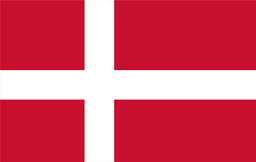
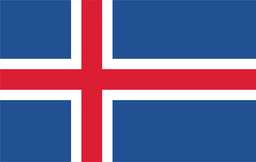
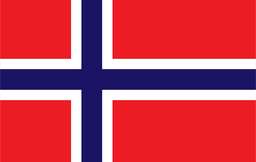
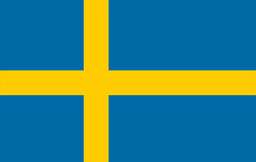
Below is the full list of sovereign member countries:
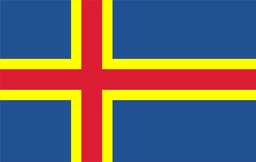
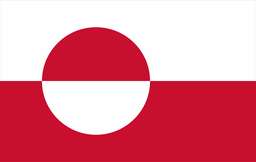
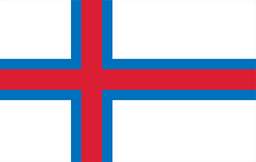
In addition, the following autonomous territories participate:
- Faroe Islands (Denmark)
- Greenland (Denmark)
- Åland Islands (Finland)
Each member maintains full sovereignty while cooperating on shared regional policies.
You can explore each national flag in our Nordic Countries Flags section for more detailed information.
Historical Background of the Nordic Council
The Nordic Council was founded in 1952 to strengthen cooperation among Nordic parliaments after World War II.
The goal was to enhance stability, economic development, and cultural unity in Northern Europe.
Over time, cooperation expanded into areas such as environmental protection and cross-border mobility.
Why Nordic Council Membership Matters
Membership in the Nordic Council provides several advantages:
Legislative Cooperation
Parliamentarians collaborate on policy alignment and shared regulations.
Free Movement
Nordic citizens enjoy strong freedom of movement across member countries.
Social Welfare Coordination
Members share best practices in healthcare, education, and social services.
Environmental Leadership
Nordic countries cooperate on climate and sustainability initiatives.
Cultural Exchange
Shared history and language strengthen regional identity.
Economic and Social Importance
Nordic Council member countries are known for:
- High standards of living
- Strong welfare systems
- Advanced environmental policies
- Competitive economies
- Innovation and education leadership
Regional cooperation enhances long-term stability and prosperity.
Governance Structure
The Nordic Council operates through:
- Annual session of parliamentarians
- Standing committees
- Presidium
- Nordic Council of Ministers (executive cooperation body)
Decisions are made through consultation and political consensus.
Role of the Nordic Council Flag
The Flag of Nordic Council symbolizes cooperation among Nordic nations.
It features a stylized swan, representing trust and unity.
The flag is displayed at:
- Nordic parliamentary sessions
- Regional meetings
- Official events
- Secretariat offices
Relationship with National Sovereignty
Nordic Council membership does not replace national governance.
Each country:
- Maintains its own constitution
- Controls domestic and foreign policy
- Preserves national identity and flag
The organization promotes voluntary cooperation rather than political union.
Regional Influence of Nordic Council Members
Nordic countries often coordinate positions in:
- European policy discussions
- Environmental negotiations
- Human rights initiatives
- Regional economic cooperation
Their collaboration strengthens their influence internationally.
Interesting Facts About Nordic Council Members
- Founded in 1952
- Includes 5 sovereign states
- Includes 3 autonomous territories
- Known for strong welfare systems
- Promotes regional mobility and cooperation
Questions About Nordic Council Member Countries
How many countries are members of the Nordic Council?
There are 5 sovereign member countries, plus 3 autonomous territories.
When was the Nordic Council established?
It was founded in 1952.
What is the main purpose of the Nordic Council?
To promote legislative and regional cooperation among Nordic countries.
Does membership replace national governments?
No, member states remain fully sovereign.
Which territories participate in the Nordic Council?
The Faroe Islands, Greenland, and Åland Islands participate.



All Rights Reserved © 2025