Design of the Flag of Denmark
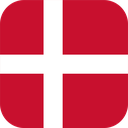
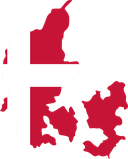
The Flag of Denmark features a white Nordic cross that extends to the edges of the flag, set on a red background. The vertical bar of the cross is positioned closer to the hoist side, following the traditional Nordic cross design.
The proportions of the flag are carefully defined, giving it a balanced and recognizable appearance. The clean contrast between red and white ensures high visibility and makes the flag instantly identifiable among European and global flags.
Meaning of Colors and Symbols
The symbolism of the Flag of Denmark is rooted in history and tradition. The white cross represents Christianity, reflecting Denmark’s historical connection to the Christian faith and its influence on Danish culture and governance.
The red background symbolizes strength, bravery, and valor. Over time, red has also come to represent national pride and unity among the Danish people.
Together, the colors and cross express faith, courage, and continuity. Although the original meanings are historical, the flag today is widely seen as a symbol of community, democracy, and shared national values.
Historical Background of the Denmark Flag
According to legend, the Flag of Denmark first appeared in 1219 during the Battle of Lyndanisse in present-day Estonia. The story tells that the flag fell from the sky during battle, inspiring Danish forces to victory.
While the legend is symbolic, historical records confirm that the Dannebrog has been in use since at least the 14th century. It gradually became a national symbol and was officially recognized as the national flag. Readers interested in this long tradition can explore more details on the History of Denmark page.
Cultural and National Significance
The Flag of Denmark holds exceptional cultural importance and is deeply integrated into daily life. Unlike in many countries, the Danish flag is commonly used in private celebrations, such as birthdays, weddings, and public festivals.
For Danes, the flag symbolizes happiness, community, and national pride rather than military power. Its presence in everyday life reflects Denmark’s strong civic culture and sense of shared identity.
Relationship to Other Nordic Flags
The Flag of Denmark is the original inspiration for the Nordic cross design used by other Scandinavian countries, including Sweden, Norway, Finland, and Iceland.
Comparing Nordic flags shows how Denmark’s design influenced an entire regional tradition while remaining distinct through its red-and-white color scheme. This legacy highlights Denmark’s historical influence in Northern Europe.
Modern Use of the Flag of Denmark
Today, the Flag of Denmark is flown on government buildings, schools, and public spaces across the country. It is also displayed at embassies, international organizations, and global events representing Denmark abroad.
The flag plays an important role in education and civic life, teaching respect for tradition, democracy, and national unity. Its continued use reinforces Denmark’s identity as a stable and historically rich nation.
Interesting Facts About the Flag of Denmark
- It is considered the world’s oldest national flag still in use.
- The flag is called the Dannebrog.
- The design inspired other Nordic flags.
- It is commonly used in private celebrations.
- The legend dates the flag to 1219.
Frequently Asked Questions
Why is the Denmark flag called the Dannebrog?
It is the traditional Danish name meaning “Danish cloth.”
What does the white cross on the Denmark flag represent?
It represents Christianity and historical tradition.
When was the Flag of Denmark first used?
It dates back to at least the 13th century.
Is the Denmark flag used in daily life?
Yes, it is commonly used in celebrations and events.
Where is the Denmark flag commonly displayed?
It is flown on public buildings and during national events.