Design of the Flag of Iceland
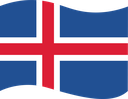
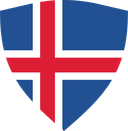
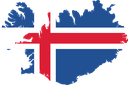
The Flag of Iceland features a blue background with a white Nordic cross outlined by a red cross at its center. The vertical arm of the cross is shifted toward the hoist side, following the traditional Nordic cross layout.
The proportions of the flag are carefully defined to maintain balance. The strong contrast between blue, white, and red ensures visibility and clarity, even in harsh weather conditions.
Meaning of Colors and Symbols
Each color on the Flag of Iceland carries clear symbolism inspired by the country’s natural environment.
The blue color represents the Atlantic Ocean surrounding Iceland and the vast northern skies. It also symbolizes stability and perseverance.
The white color represents snow, ice, and glaciers that dominate much of Iceland’s landscape. It symbolizes purity and peace.
The red color represents volcanic fire and lava, highlighting Iceland’s geothermal activity and volcanic origins. It also symbolizes strength and resilience.
The Nordic cross reflects Christianity and Iceland’s cultural ties to other Nordic countries, emphasizing shared history and values.
Together, the colors symbolize ice, fire, and sea, defining elements of Icelandic identity.
Historical Background of the Iceland Flag
The design of the Flag of Iceland was influenced by other Nordic flags, particularly those of Norway and Denmark. The flag was first proposed in the late 19th century during growing national consciousness.
The flag was officially adopted on June 19, 1915, when Iceland gained recognition as a sovereign state under the Danish crown. When Iceland became a fully independent republic in 1944, the flag was retained as the national symbol.
Readers interested in Iceland’s journey toward independence can explore more context on the History of Iceland page.
Cultural and National Significance
The Flag of Iceland holds deep cultural and emotional significance for Icelanders. It represents independence, resilience, and harmony with nature.
The flag is prominently displayed during National Day celebrations on June 17, public holidays, and official ceremonies. For citizens, it symbolizes pride in heritage, language, and sovereignty.
Relationship to Other Nordic Flags
The Flag of Iceland is part of the Nordic cross family, which includes the flags of Denmark, Norway, Sweden, Finland, and the Faroe Islands.
What distinguishes Iceland’s flag is its color symbolism tied directly to volcanic activity and icy landscapes. Comparing Nordic flags shows how Iceland uniquely expresses natural identity through color.
Modern Use of the Flag of Iceland
Today, the Flag of Iceland is flown on government buildings, schools, ports, and public spaces throughout the country. It is also displayed at embassies, international organizations, and global sporting events representing Iceland abroad.
The flag plays an important role in education and civic life, helping citizens understand national history, geography, and democratic values. Its continued use reinforces Iceland’s identity as an independent Nordic nation.
Interesting Facts About the Flag of Iceland
- The flag was officially adopted in 1915.
- Red represents volcanic fire.
- White symbolizes glaciers and snow.
- The design follows the Nordic cross tradition.
- It remained unchanged after independence in 1944.
Frequently Asked Questions
What do the colors of the Iceland flag represent?
Blue represents the sea, white represents ice, and red represents volcanic fire.
When was the Flag of Iceland adopted?
It was adopted on June 19, 1915.
Why does the Iceland flag use a Nordic cross?
It reflects cultural and historical ties to Nordic countries.
Did Iceland change its flag after becoming a republic?
No, the flag remained the same after 1944.
Where is the Iceland flag commonly displayed?
It is flown on public buildings and during national events.