Design of the Flag of Sweden
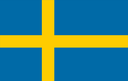
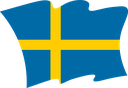
The Flag of Sweden features a rectangular blue field with a yellow Nordic cross.
The vertical arm of the cross is shifted toward the hoist side, following the traditional Nordic flag layout. The horizontal arm extends fully across the flag.
The proportions and colors are carefully standardized to maintain consistency in official and ceremonial use.
Meaning of Colors and Symbols
Each element of the Flag of Sweden carries symbolic meaning tied to history and culture.
The blue color represents loyalty, justice, and perseverance. It is also associated with Sweden’s skies, lakes, and natural landscape.
The yellow color represents generosity, vitality, and light. It is traditionally linked to prosperity and optimism.
The Nordic cross symbolizes Christianity and reflects the shared cultural and historical heritage of Scandinavian countries. The cross design connects Sweden to its Nordic neighbors while preserving national uniqueness.
Together, these elements express unity, tradition, and moral values.
Historical Background of the Sweden Flag
The origins of the Flag of Sweden date back to the 16th century. According to tradition, King Eric IX is said to have seen a golden cross in the sky during a crusade, inspiring the design.
The blue and yellow colors were derived from the Swedish coat of arms, which also features these colors.
The flag was officially standardized in 1906, though similar versions had been used for centuries. Its long history makes it one of the oldest continuously used national flags in the world.
Readers interested in medieval Sweden can explore more context on the History of Sweden page.
Cultural and National Significance
The Flag of Sweden holds strong cultural importance and is deeply respected by citizens.
It is prominently displayed during National Day (June 6), Midsummer celebrations, royal events, and public holidays. For Swedes, the flag symbolizes democracy, peace, and national unity.
The flag is often used in everyday life, reflecting a healthy and positive relationship between citizens and national symbols.
Relationship to Other Nordic Flags
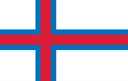
The Flag of Sweden belongs to the Nordic cross flag family, which includes the flags of Denmark, Norway, Finland, and Iceland.
All Nordic flags share the same cross layout, symbolizing shared heritage, while colors differentiate national identity. Sweden’s blue and yellow combination is unique among Nordic nations.
Comparing Nordic flags highlights regional unity alongside national distinction.
Modern Use of the Flag of Sweden
Today, the Flag of Sweden is flown on government buildings, schools, private homes, and public spaces across the country. It is also displayed at embassies, international organizations, and sporting events representing Sweden abroad.
The flag plays an important role in civic education, helping citizens understand democratic values, history, and cultural heritage. Its continued use reinforces Sweden’s identity as a stable and peaceful nation.
Interesting Facts About the Flag of Sweden
- It is one of the oldest national flags still in use.
- The cross design dates back to the 16th century.
- Blue and yellow come from the royal coat of arms.
- It follows the Nordic cross tradition.
- National Flag Day is June 6.
Questions About the Flag of Sweden
What does the cross on the Sweden flag represent?
It represents Christianity and Nordic heritage.
When was the Flag of Sweden officially adopted?
It was standardized in 1906.
Why are blue and yellow used on the Sweden flag?
They come from Sweden’s historical coat of arms.
Is the Sweden flag one of the oldest in the world?
Yes, it is among the oldest still in use.
Where is the Sweden flag commonly displayed?
On public buildings, homes, and during national celebrations.