Design of the Flag of Nordic Council
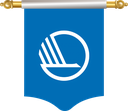
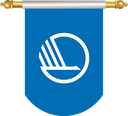
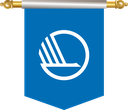
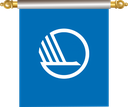
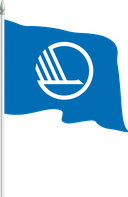
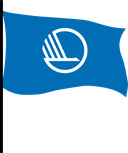
The Flag of Nordic Council features a white field with a blue circular emblem placed at the center.
The emblem consists of:
- A stylized swan in white
- A blue circle surrounding the swan
The design is minimalist and elegant, reflecting the Nordic tradition of simplicity and clarity in visual symbols.
The flag avoids national coats of arms or political insignia to ensure equal representation of all member countries.
Meaning of Colors and Symbols
Each element of the Flag of Nordic Council carries symbolic meaning connected to the region’s identity.
The white background represents openness, transparency, and peaceful cooperation. It also reflects the snowy landscapes commonly associated with Nordic countries.
The blue circle symbolizes unity, stability, and the shared values of democracy and social responsibility.
The swan is a symbol of grace, cooperation, and harmony. In Nordic culture, the swan also represents migration and connection across borders, reflecting regional partnership.
Together, these elements express collaboration, equality, and cultural unity.
Historical Background of the Nordic Council Flag
The Nordic Council, officially known as the Nordic Council, was established in 1952 to strengthen cooperation among Nordic countries.
The council focuses on parliamentary dialogue, cultural collaboration, and policy coordination in areas such as environment, education, and social welfare.
The swan emblem was introduced as a symbol of Nordic cooperation and later incorporated into the official flag design.
Readers interested in Scandinavian regional cooperation can explore more context on the History of the Nordic Council page.
Political and Regional Significance
The Flag of Nordic Council symbolizes democratic dialogue and cooperation in Northern Europe.
It represents collaboration on social policy, environmental sustainability, cultural exchange, and cross-border mobility. When displayed at meetings and conferences, the flag signals partnership and shared commitment to common goals.
The flag is commonly seen at Nordic Council sessions and official gatherings.
Relationship to Member States’ National Flags
The Flag of Nordic Council complements national flags rather than replacing them.
At official events, it is displayed alongside the flags of member countries, reinforcing unity while maintaining sovereignty. Each country retains its own national symbols and governance systems.
Comparing regional and national flags highlights how voluntary cooperation can exist alongside independent statehood.
Modern Use of the Flag of Nordic Council
Today, the Flag of Nordic Council is used at:
- Nordic Council headquarters and offices
- Parliamentary sessions and conferences
- Cultural and educational events
- Official publications and policy discussions
The flag also appears in initiatives promoting Nordic cooperation and sustainability.
Its continued use reinforces shared values of democracy, equality, and social welfare.
Interesting Facts About the Flag of Nordic Council
- The Nordic Council was founded in 1952
- The swan symbolizes unity and harmony
- Blue represents stability and trust
- White reflects openness and peace
- The design follows Nordic minimalist style
Questions About the Flag of Nordic Council
What does the Flag of Nordic Council represent?
It represents cooperation and shared values among Nordic countries.
When was the Nordic Council established?
It was established in 1952.
Why is a swan shown on the flag?
The swan symbolizes unity, harmony, and connection.
Does the flag replace national flags?
No, it is displayed alongside national flags.
Where is the flag commonly displayed?
At Nordic Council meetings and official events.