Design of the Flag of East African Community
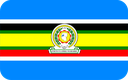
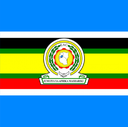
The Flag of East African Community features horizontal stripes and a central emblem.
The design includes:
- A blue stripe at the top
- A white stripe
- A green stripe
- A yellow stripe
- A black stripe
At the center of the flag is the EAC emblem, which includes a map of East Africa and the acronym “EAC.”
The layout is balanced and symbolic, clearly emphasizing regional identity.
Meaning of Colors and Symbols
Each element of the Flag of East African Community carries important symbolic meaning.
The blue stripe represents Lake Victoria and the Indian Ocean, symbolizing shared water resources and regional connection.
The white stripe represents peace and unity among member states.
The green stripe symbolizes agriculture, natural resources, and economic potential.
The yellow stripe represents mineral wealth and prosperity.
The black stripe represents the people of East Africa and shared African identity.
The map in the emblem symbolizes geographic unity and cooperation.
Together, these elements express regional solidarity, economic integration, and shared development.
Historical Background of the East African Community Flag
The East African Community, officially known as the East African Community, was originally established in 1967 and later re-established in 2000.
The organization was created to promote economic integration and political cooperation among East African nations. The official flag and emblem were adopted to represent a renewed commitment to regional partnership and shared growth.
The modern EAC emphasizes customs union, common market policies, and coordinated development strategies.
Readers interested in African regional integration can explore more context on the History of the East African Community page.
Political and Regional Significance
The Flag of East African Community symbolizes cooperation in trade, infrastructure, security, and education across the region.
It is displayed at regional summits, diplomatic meetings, and integration initiatives. When shown, the flag represents collective decision-making rather than national authority.
The flag reinforces the idea of economic partnership and shared regional identity.
Relationship to Member States’ National Flags
The Flag of East African Community complements national flags.
At official events, it is displayed alongside the flags of member countries, emphasizing unity while maintaining sovereignty. Each state retains its own political system and national symbols.
Comparing regional and national flags highlights how integration can exist alongside independence.
Modern Use of the Flag of East African Community
Today, the Flag of East African Community is used at:
- EAC headquarters and offices
- Regional summits and forums
- Trade and infrastructure projects
- Official publications and announcements
The flag also appears in educational and policy discussions related to East African integration.
Its continued use reinforces shared development goals and regional cooperation.
Interesting Facts About the Flag of East African Community
- The EAC was re-established in 2000
- Blue represents regional waters
- Green symbolizes agriculture
- Black represents the people
- The emblem includes a map of East Africa
Questions About the Flag of East African Community
What does the Flag of East African Community represent?
It represents regional integration and cooperation in East Africa.
When was the East African Community re-established?
It was re-established in 2000.
Why is blue included on the flag?
Blue represents shared water resources.
Does the EAC flag replace national flags?
No, it is displayed alongside national flags.
Where is the flag commonly displayed?
At EAC headquarters and regional meetings.