Design of the Flag of Democratic Republic of Congo
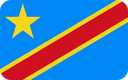
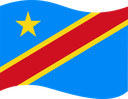
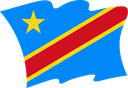
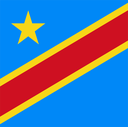
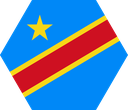
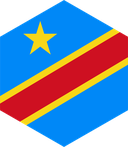
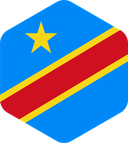
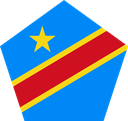
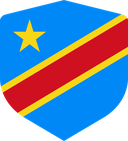
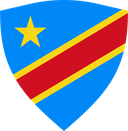
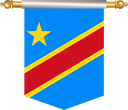
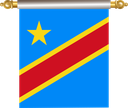
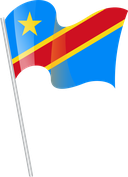
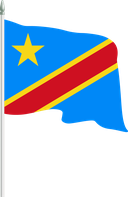
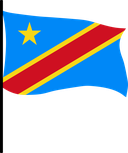
The Flag of Democratic Republic of Congo features a light blue field with a yellow five-pointed star in the upper hoist-side corner. A red diagonal stripe, edged with thin yellow borders, runs from the lower hoist corner to the upper fly corner.
The diagonal stripe creates a sense of movement and progress, while the bright colors make the flag highly visible and distinctive. The overall design is modern, dynamic, and easily recognizable on the international stage.
Meaning of Colors and Symbols
Each element of the Flag of Democratic Republic of Congo carries strong symbolic meaning.
The light blue background represents peace, hope, and optimism for the future. It reflects the desire for unity and stability after years of political change.
The yellow star symbolizes a bright future and national hope. It also represents guidance and the aspiration for progress.
The red diagonal stripe represents the blood shed by those who fought for independence and national sovereignty. It symbolizes courage, sacrifice, and resilience.
The yellow borders along the red stripe represent wealth, prosperity, and the country’s vast natural resources, emphasizing potential for growth and development.
Together, these elements communicate sacrifice, hope, and a forward-looking national vision.
Historical Background of the Democratic Republic of Congo Flag
The Flag of Democratic Republic of Congo has undergone several changes reflecting the country’s political history. The current design was officially adopted on February 20, 2006, following the adoption of a new constitution.
Earlier versions of the flag were used during different political periods, including independence from Belgium in 1960 and later changes during state restructuring. The modern flag was chosen to represent a new beginning and national renewal. Readers interested in these transitions can explore more details on the History of Democratic Republic of Congo page.
Cultural and National Significance
The Flag of Democratic Republic of Congo holds deep national importance as a symbol of sovereignty and unity. It represents a country with immense cultural diversity, bringing together many ethnic groups under one national identity.
The flag is prominently displayed during Independence Day celebrations, national ceremonies, and official events. For citizens, it symbolizes resilience, shared struggle, and hope for a peaceful and prosperous future.
Relationship to Other African Flags
The Flag of Democratic Republic of Congo stands out among African flags due to its diagonal stripe and light blue background. While many African flags use Pan-African colors, this design focuses on hope, peace, and progress.
Compared to the Flag of Republic of Congo, the two designs are clearly different despite similar country names. This distinction helps avoid confusion and emphasizes unique national identity.
Modern Use of the Flag of Democratic Republic of Congo
Today, the Flag of Democratic Republic of Congo is flown on government buildings, schools, and public spaces across the country. It is also displayed at embassies, international organizations, and global events representing the nation abroad.
The flag plays an important role in education and civic life, helping citizens understand national values, history, and unity. Its continued use reinforces the country’s sovereignty and presence on the international stage.
Interesting Facts About the Flag of Democratic Republic of Congo
- The flag was adopted in 2006.
- It features a diagonal red stripe.
- The star symbolizes hope and guidance.
- Light blue represents peace.
- The design reflects a modern national identity.
Frequently Asked Questions
What does the star on the Democratic Republic of Congo flag represent?
It represents hope, guidance, and a bright future.
Why does the flag have a diagonal stripe?
The diagonal stripe symbolizes progress and national movement forward.
When was the Flag of Democratic Republic of Congo adopted?
It was adopted on February 20, 2006.
Is this the first flag used by the country?
No, several flags were used during different political periods.
Where is the flag commonly displayed?
It is flown on public buildings and during national events.