


Union of South American Nations Member Countries – Full List & Details
The Union of South American Nations Member Countries page provides a complete overview of the nations that participate in UNASUR. The Union of South American Nations (UNASUR) was established to promote regional integration, political dialogue, and economic cooperation among South American countries. Founded in 2008, the organization aimed to strengthen unity across the continent through shared development goals and diplomatic coordination. This guide explains which countries are members, how UNASUR membership works, and why the organization plays a role in South American regional cooperation.
What is the Union of South American Nations?
The Union of South American Nations, commonly known as UNASUR, is an intergovernmental organization created to encourage integration across South America.
UNASUR focuses on:
- Political coordination
- Economic integration
- Infrastructure development
- Energy cooperation
- Social development
- Regional stability
The organization’s headquarters was established in Quito, Ecuador.
How Many Members Are in UNASUR?
UNASUR originally included 12 South American member states.
Membership status has evolved over time, with some countries suspending participation or withdrawing, but the founding structure included all independent South American nations.
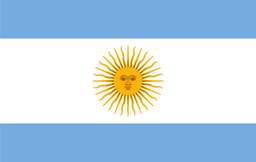
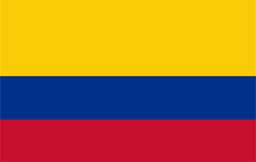
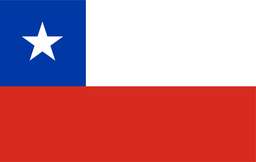
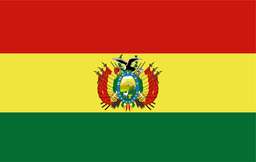
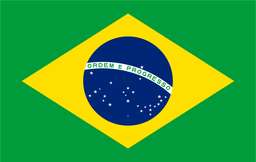
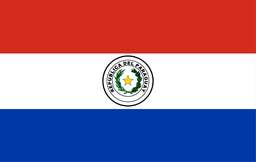
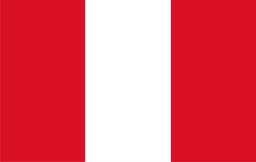
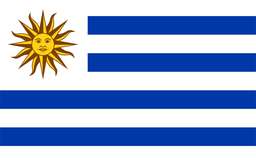
Complete List of UNASUR Member Countries
Below is the full list of founding member countries:
Each member country retains full sovereignty while participating in regional initiatives.
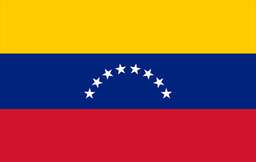
You can explore each national flag in our South American Countries Flags section for more detailed information.
Historical Background of Membership
The Union of South American Nations was formally established on 23 May 2008.
The organization aimed to create deeper regional integration similar to other economic and political blocs around the world.
Over time, political differences among member states affected participation levels, but the founding membership included all South American countries.
Why UNASUR Membership Matters
Membership in UNASUR offers several potential benefits:
Regional Integration
The organization encourages coordination in trade and infrastructure.
Political Dialogue
Member states consult on regional diplomatic issues.
Energy Cooperation
Countries collaborate on energy security and development.
Social Programs
Joint initiatives support education, healthcare, and poverty reduction.
Infrastructure Projects
Regional transportation and communication networks are strengthened.
Economic and Strategic Importance
UNASUR member countries collectively represent:
- Vast natural resources
- Major agricultural and mining industries
- Large population centers
- Expanding regional markets
Regional cooperation enhances economic competitiveness and development planning.
Governance Structure
UNASUR operates through:
- Council of Heads of State and Government
- Council of Foreign Ministers
- General Secretariat
- Specialized working groups
Decisions are generally based on consensus.
Role of the UNASUR Flag
The Flag of Union of South American Nations symbolizes unity and cooperation among South American countries.
It is displayed at:
- Regional summits
- Diplomatic meetings
- Official headquarters
- Integration forums
The flag represents continental solidarity rather than political unification.
Relationship with National Sovereignty
UNASUR membership does not replace national authority.
Each country:
- Maintains its own constitution
- Controls domestic and foreign policy
- Preserves its national identity and flag
Participation is voluntary and cooperative.
Regional Challenges and Cooperation
UNASUR members address shared challenges such as:
- Economic inequality
- Infrastructure gaps
- Energy security
- Environmental protection
- Political coordination
Regional collaboration supports long-term stability.
Interesting Facts About UNASUR Members
- Founded in 2008
- Included 12 South American countries
- Headquarters located in Quito
- Promoted continental integration
- Membership participation has evolved over time
Questions About Union of South American Nations Member Countries
How many countries were members of UNASUR?
Originally, there were 12 founding member states.
When was UNASUR established?
It was established in 2008.
What is the main purpose of UNASUR?
To promote regional integration and cooperation in South America.
Does UNASUR replace national governments?
No, member states remain sovereign.
Where was the UNASUR headquarters located?
It was located in Quito, Ecuador.





All Rights Reserved © 2025