History of the Colombian Flag
The Colombia flag history dates back to the early 19th century during Colombia’s independence movement from Spanish rule. The modern flag design was inspired by independence leader Francisco de Miranda, who introduced colors that later became important symbols for several South American nations.
The flag officially signifies Colombia’s journey to get freedom, accord, and national superiority. Over time, the design has also persisted an important part of Colombian celebrations, government events, and international representation.
Colombian Flag Colors and Meaning
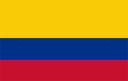
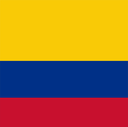
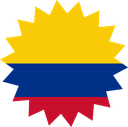
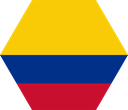
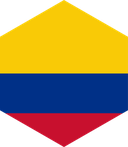
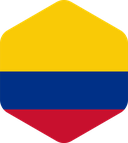
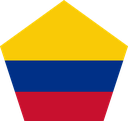
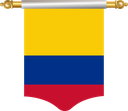
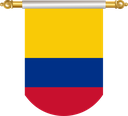
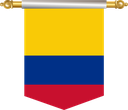
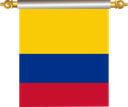
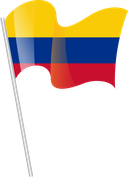
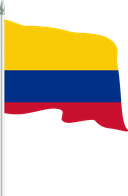
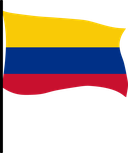
The Colombian flag colors also include yellow, blue, and red arranged in three horizontal sections. Each color conveys a special meaning that also connected to Colombia’s history.
- Yellow color also signifies the country’s gold resources and the wealth of its land.
- Blue color signifies the oceans, rivers, and atmospheres close to Colombia.
- Red color denotes the courage and sacrifices made during the struggle for getting independence.
Colombian Flag Meaning and Identity
The Colombian flag meaning goes beyond simple colors. It represents hope, spirit, and the connection between Colombian past and present. From large national celebrations to small community events, the flag is displayed with pride. Many Colombians living abroad also use the flag to maintain their connection with their homeland. People searching for a Colombia flag emoji regularly, it also want a simple approach to show attention, celebrate Colombian culture, or share national superiority online.
Colombia’s Location and Relationship with Countries
Many people also ask where's Colombia located, because the country has contain a unique position in South America. Colombia is located in the northwestern part of the island, with beaches on the Caribbean Sea and Pacific Ocean.
Colombia also share his land borders with Venezuela, Brazil, Peru, Ecuador, and Panama. The colombia and venezuela flag comparison is also popular because both countries also share historical connections and similar area inspirations.
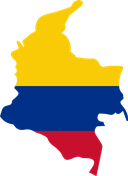
A Colombia flag map also helps travelers and students to understand the Colombia’s geographic situation and its major importance in South America.
Colombia’s Culture and Self-importance
Colombia is known for its vivacious civilizations, music, food, festivals, and assorted backgrounds. When people ask what is Colombia's culture, the only answer also includes a mix of Native, European, and African impacts.
Colombia is also famous for coffee production, vibrant festivals, traditional dances, and warm generosity. These cultural elements are strictly connected with the superiority, that also represented by the country flag Colombia.
The flag appears everywhere, from sports, football matches to national holidays, it may reminding people of their shared identity and legacy.
Questions about Colombia
Where is Colombia located in the region?
Colombia is located in northwestern South America continent, it share land border by Venezuela, Brazil, Peru, Ecuador, and Panama with including Caribbean and Pacific beaches.
What are the specific facts of Colombia?
Colombia is globally famous for coffee Manufacturing, biodiversity, vibrant festivals, its assorted cultures, and also being the only South American country in world with two ocean coastlines.
How many National states in Colombia?
Colombia has its 32 divisions, which are similar to states, along with Bogotá, it also known as a superior capital district.
What is capital city of Colombia?
The capital of Colombia is Bogotá, a large city known for history, museums, culture, and being the country’s political center.
What is Colombia's culture?
Colombia’s culture combines Indigenous, African, and European influences through music, food, festivals, traditions, and strong community connections.