Design of the Flag of Bolivia
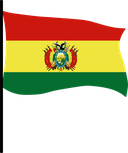
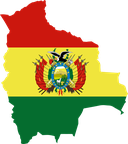
The flag of Bolivia consists of three horizontal stripes of equal width. From top to bottom, the colors are red, yellow, and green. The national coat of arms is often placed at the center of the yellow stripe on the state flag, while the plain tricolor version is commonly used as the civil flag.
The horizontal layout creates a balanced and traditional appearance. The bright colors make the flag highly visible and easily recognizable, both within Bolivia and internationally.
Meaning of Colors and Symbols
Each color on the Bolivia flag carries strong symbolic meaning. The red stripe represents the bravery and sacrifice of Bolivians who fought for independence and defended the nation. It symbolizes courage, strength, and the blood shed for freedom.
The yellow stripe represents Bolivia’s rich natural resources, including minerals and agricultural wealth. It symbolizes prosperity, energy, and hope for economic development.
The green stripe represents fertility, growth, and the country’s diverse landscapes, including forests and plains. Green also symbolizes hope and the future of the nation.
When included, the coat of arms features important national symbols such as mountains, a rising sun, and animals, reflecting geography, independence, and natural heritage.
Historical Background of the Bolivia Flag
The flag of Bolivia was first adopted in 1826, shortly after the country gained independence from Spanish rule. Early versions of the flag used different arrangements, but the red-yellow-green tricolor was officially standardized later in the 19th century.
The colors were chosen to reflect national values and the new republic’s aspirations. Over time, the flag became a strong symbol of sovereignty and unity. Readers interested in Bolivia’s independence and political development can explore more context on the History of Bolivia page.
Cultural and National Significance
The flag of Bolivia holds deep cultural importance for its people. It is a symbol of national pride, independence, and shared identity. The flag is widely displayed during Independence Day celebrations, civic events, and public ceremonies.
Bolivia is home to many indigenous communities, and the national flag represents unity among diverse cultures. It is often flown alongside the Wiphala, an indigenous flag recognized as a national symbol, highlighting Bolivia’s multicultural identity.
Relationship to Other South American Flags
The Bolivia flag shares the horizontal tricolor format with several South American flags but remains distinct due to its color combination and symbolism. The use of red, yellow, and green reflects both revolutionary heritage and natural wealth.
Comparing South American flags helps show how Bolivia’s design emphasizes resources, courage, and growth, setting it apart from neighboring nations with different historical influences.
Modern Use of the Flag of Bolivia
Today, the flag of Bolivia is flown on government buildings, schools, and public spaces across the country. It is also displayed at embassies and international organizations, representing Bolivia on the global stage.
The flag plays an important role in education, national ceremonies, and international events. Its continued use reinforces Bolivia’s sovereignty and cultural identity.
Interesting Facts About the Flag of Bolivia
- The flag was first adopted in 1826.
- Red, yellow, and green symbolize sacrifice, wealth, and growth.
- Bolivia recognizes both the national flag and the Wiphala.
- The coat of arms appears on the state version of the flag.
- The design reflects Bolivia’s independence era.
Frequently Asked Questions
What do the colors of the Bolivia flag represent?
Red represents sacrifice, yellow symbolizes wealth, and green stands for fertility and hope.
When was the flag of Bolivia adopted?
The first version was adopted in 1826, with later standardization.
Does Bolivia have more than one national symbol?
Yes, Bolivia also recognizes the Wiphala as a national symbol.
Is the coat of arms always shown on the Bolivia flag?
No, the coat of arms appears on the state flag, not the civil version.
Where is the Bolivia flag commonly displayed?
It is flown on government buildings, schools, and during national events.