Design of the Flag of Argentina
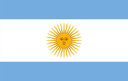
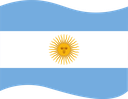
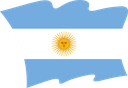
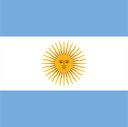
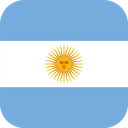
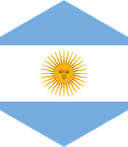
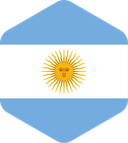
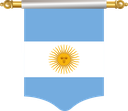
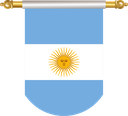
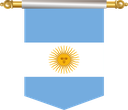
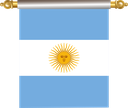
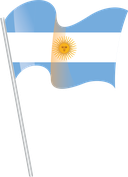
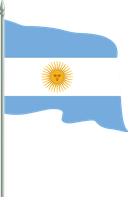
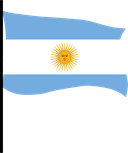
The flag of Argentina consists of three horizontal stripes. The top and bottom stripes are light blue, while the middle stripe is white. Centered on the white band is a golden sun with a human face, known as the Sun of May, in the official state flag.
There are two main versions of the flag: one with the sun, used for official and governmental purposes, and a simpler version without the sun, commonly used by civilians. The clean and balanced horizontal layout makes the flag easy to recognize and widely respected.
Meaning of Colors and Symbols
The colors of the Argentina flag carry strong symbolic meaning. The light blue stripes are commonly associated with the sky and freedom. They also symbolize vigilance, truth, and loyalty. Some interpretations link the blue color to the Río de la Plata region and Argentina’s natural landscape.
The white stripe represents peace, honesty, and unity. It reflects the desire for harmony after years of colonial rule. The most iconic symbol, the Sun of May, represents independence and enlightenment. The sun has 32 rays, alternating between straight and wavy, symbolizing energy, life, and the birth of a new nation.
Historical Background of the Argentina Flag
The flag of Argentina was first created in 1812 by Manuel Belgrano, one of the country’s key independence leaders. The design emerged during the early stages of Argentina’s struggle for independence from Spanish rule.
The Sun of May was added later, inspired by the May Revolution of 1810, a pivotal event in Argentina’s path toward independence. The flag was officially adopted in its current form in the early 19th century and has remained largely unchanged since. Readers interested in the political events of this era can explore more details on the History of Argentina page.
Cultural and National Significance
The flag of Argentina holds deep cultural and emotional importance. It is a symbol of national pride, unity, and freedom. The flag is prominently displayed during national holidays such as Flag Day, Independence Day, and major sporting events.
For Argentines, the flag represents shared history and collective identity. It is commonly used in schools, public ceremonies, and cultural celebrations. The Sun of May, in particular, has become a widely recognized national emblem beyond the flag itself.
Relationship to Other National Flags
The Argentina flag influenced the designs of several other South American flags, particularly during the independence movements of the 19th century. Its light blue and white color scheme inspired regional symbolism connected to freedom and liberation.
Visitors exploring South American flags may notice similarities between Argentina’s flag and those of neighboring countries, highlighting shared historical experiences and independence ideals across the region.
Modern Use of the Flag of Argentina
Today, the flag of Argentina is flown on government buildings, schools, and public spaces throughout the country. It is also widely displayed during international events, representing Argentina on the global stage.
The flag plays a major role in sports culture, especially during football tournaments, where it is proudly displayed by fans worldwide. Its continued use reflects strong national attachment and global recognition.
Interesting Facts About the Flag of Argentina
- The flag was created in 1812.
- It was designed by Manuel Belgrano.
- The Sun of May has 32 rays.
- There are two official versions of the flag.
- The design has remained mostly unchanged for over two centuries.
Frequently Asked Questions
What do the colors of the Argentina flag represent?
Light blue represents the sky and freedom, while white symbolizes peace and unity.
What is the Sun of May on the Argentina flag?
It is a symbol of independence and enlightenment inspired by the May Revolution.
Who designed the flag of Argentina?
The flag was designed by Manuel Belgrano.
When was the flag of Argentina adopted?
The flag was introduced in 1812 and officially adopted shortly afterward.
Is there more than one version of the Argentina flag?
Yes, one version includes the Sun of May, while another does not.