Design of the Flag of Vatican City
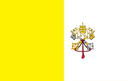
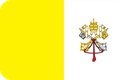
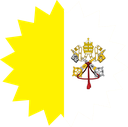
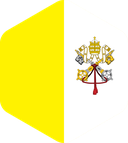
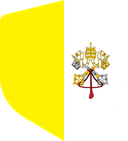
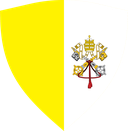
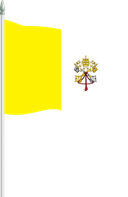
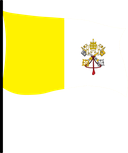
The Flag of Vatican City consists of two vertical bands of equal width.
- Yellow band on the hoist side
- White band on the fly side
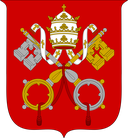
Centered on the white band is the coat of arms of Vatican City, which features two crossed keys and the papal tiara above them.
The proportions of the flag are nearly square, which is uncommon among national flags and adds to its uniqueness.
Meaning of Colors and Symbols
Each element of the Flag of Vatican City carries deep religious and symbolic meaning.
The yellow color represents spiritual power and divine light. It is associated with heavenly authority and sacred tradition.
The white color represents purity, peace, and holiness. It reflects moral integrity and spiritual clarity.
The crossed keys symbolize the Keys of Saint Peter, representing authority given to Saint Peter by Jesus Christ. One key is gold, symbolizing spiritual authority, while the silver key represents earthly authority.
The papal tiara symbolizes the authority of the Pope as the leader of the Roman Catholic Church and the sovereign of Vatican City.
Together, these symbols express faith, leadership, and continuity of religious authority.
Historical Background of the Vatican City Flag
The colors yellow and white were officially adopted for the papal flag in 1808 during the papacy of Pope Pius VII.
Before this period, papal banners commonly used red and gold. The change was made to distinguish papal forces from other armies during the Napoleonic era.
When Vatican City became an independent sovereign state in 1929 under the Lateran Treaty with Italy, the existing papal flag was officially adopted as the national flag.
This ensured continuity between religious authority and political sovereignty.
Readers interested in church-state relations can explore more context on the History of Vatican City page.
Religious and Cultural Significance
The Flag of Vatican City holds profound religious importance for Catholics worldwide.
It represents the Pope, the Holy See, and the central authority of the Catholic Church. The flag is displayed during papal ceremonies, religious celebrations, and official events within Vatican City.
For believers, the flag symbolizes spiritual leadership, tradition, and unity of the global Catholic community.
Relationship to Other Religious and National Flags
The Flag of Vatican City is unique among national flags because it directly represents a religious institution rather than a conventional nation-state.
While some flags include religious symbols, Vatican City’s flag is entirely centered on religious authority. Comparing world flags highlights its exceptional status as both a spiritual and sovereign symbol.
Its design has influenced ecclesiastical banners used by Catholic institutions worldwide.
Modern Use of the Flag of Vatican City
Today, the Flag of Vatican City is flown on official buildings within Vatican City, including St. Peter’s Basilica and administrative offices.
It is also displayed during papal appearances, international visits, and diplomatic events. The flag represents Vatican City in international relations and global religious gatherings.
Its continued use reinforces the Vatican’s identity as both a spiritual center and an independent sovereign entity.
Interesting Facts About the Flag of Vatican City
- It is nearly square in shape
- It uses yellow and white instead of red
- The keys represent Saint Peter
- It was adopted as a national flag in 1929
- It represents both religious and political authority
Questions About the Flag of Vatican City
What do the keys on the Vatican City flag represent?
They represent the Keys of Saint Peter and papal authority.
Why does the Vatican City flag use yellow and white?
They symbolize spiritual authority, purity, and divine light.
When was the Flag of Vatican City officially adopted?
It was adopted in 1929.
Is Vatican City an independent country?
Yes, it is a sovereign state governed by the Pope.
Where is the Vatican City flag commonly displayed?
On Vatican buildings and during papal events.