Design of the Flag of Montenegro
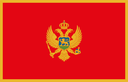
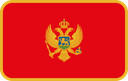
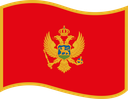
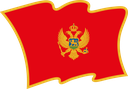
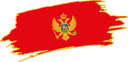
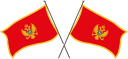
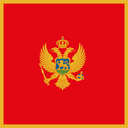
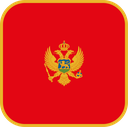
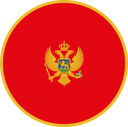
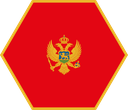
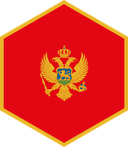
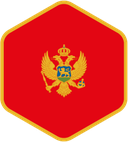
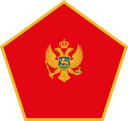
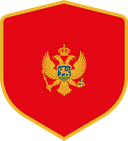
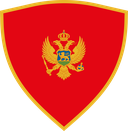
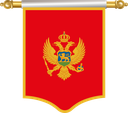
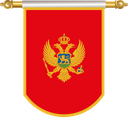
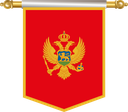
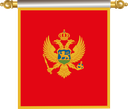
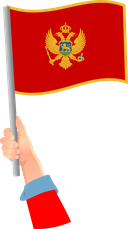
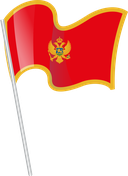
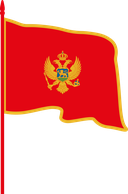
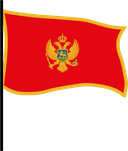
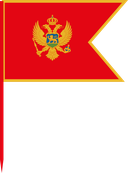
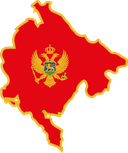
The flag of Montenegro features a red field surrounded by a thin gold border. At the center of the flag is the national coat of arms, displayed prominently and clearly.
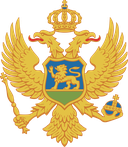
The coat of arms consists of a golden double-headed eagle with outstretched wings. On the eagle’s chest is a blue shield featuring a golden lion passant standing on green ground. Above the eagle’s heads is a royal crown, symbolizing historical statehood and continuity.
The overall design gives the flag a regal and authoritative appearance, distinguishing it from many other European flags.
Meaning of the Colors and Symbols
Every element of the Montenegro flag carries strong symbolic meaning. The red background represents courage, bravery, and the blood shed in defense of freedom. Red has long been associated with Montenegrin resistance and independence.
The gold border symbolizes dignity, sovereignty, and national pride. It adds a ceremonial and royal character to the flag.
The double-headed eagle is a historic symbol rooted in Byzantine tradition and widely used in Balkan heraldry. In Montenegro, it represents unity between church and state as well as vigilance and strength.
The lion on the shield symbolizes courage, authority, and justice. It reflects Montenegro’s historical ties to medieval statehood and Orthodox Christian heritage.
The crown above the eagle emphasizes Montenegro’s long tradition of independent rule, even during periods of foreign pressure.
Historical Background and Adoption
Montenegro has a long history of independence, often maintaining autonomy while surrounded by larger empires. The double-headed eagle has appeared in Montenegrin symbols for centuries.
The modern flag of Montenegro was officially adopted on July 12, 2004, while the country was still part of a state union with Serbia. When Montenegro voted for independence in 2006, the flag was retained without changes, becoming the official national flag of the independent state.
This continuity symbolized stability and historical legitimacy. More historical context can be explored on the history of Montenegro page.
Cultural and National Significance
The Montenegro flag is a strong symbol of national pride and identity. It is displayed during Independence Day celebrations, national holidays, and official ceremonies. The flag also represents Montenegro in international organizations and sporting events.
Within the Balkans, the flag is often compared with the Flag of Serbia and the Flag of Albania, which also use historic heraldic symbols. However, Montenegro’s gold-bordered red field and central emblem give it a distinct and unmistakable identity.
Official Use and Flag Etiquette
The flag of Montenegro is flown at government buildings, schools, embassies, and public institutions. It is also displayed during diplomatic events and international meetings.
There are established guidelines for respectful handling and display. The flag is raised during official ceremonies and lowered at sunset on commemorative occasions. When displayed with other national flags, Montenegro’s flag is given equal prominence.
The Flag in Modern Montenegro
In modern Montenegro, the flag symbolizes independence, cultural heritage, and European identity. It is commonly seen during cultural festivals, sporting events, and public gatherings.
The flag’s strong heraldic design reinforces Montenegro’s image as a nation with deep historical roots and a clear sense of sovereignty. For many citizens, it represents resilience and continuity in a rapidly changing region.
Design Strength and Recognition
The Montenegro flag stands out due to its bold colors, detailed emblem, and royal styling. Unlike minimalist flag designs, it embraces heraldic tradition, which appeals to historical symbolism and national storytelling.
Its distinctive appearance ensures immediate recognition and reinforces Montenegro’s identity on the international stage.
Questions About the Flag of Montenegro
When was the flag of Montenegro adopted?
The flag was adopted on July 12, 2004, and retained after independence in 2006.
What does the double-headed eagle represent?
It symbolizes strength, unity, and historical sovereignty.
Why does the flag have a gold border?
The gold border represents dignity, authority, and statehood.
What is the meaning of the lion on the shield?
The lion symbolizes courage, justice, and medieval heritage.
Is the Montenegro flag the same on both sides?
Yes, the design appears on both sides of the flag.