


Collective Security Treaty Organization (CSTO) Member Countries – Full List & Details
The Collective Security Treaty Organization (CSTO) Member Countries page provides a complete overview of the nations that form this regional security alliance. Established in 2002, the CSTO focuses on collective defense, military cooperation, and regional stability among its member states. The organization evolved from earlier security agreements formed after the dissolution of the Soviet Union. This guide explains which countries are members, how the alliance functions, and why CSTO membership plays an important role in regional security cooperation.
What is the Collective Security Treaty Organization (CSTO)?
The Collective Security Treaty Organization is a regional intergovernmental military alliance designed to promote collective defense and security cooperation.
The CSTO focuses on:
- Mutual defense commitments
- Military coordination
- Counter-terrorism efforts
- Border security
- Crisis response
- Regional stability
The CSTO Secretariat is headquartered in Moscow, Russia.
How Many Members Are in the CSTO?
The CSTO currently has 6 member states.
Membership is limited to countries that agree to participate in collective defense arrangements and follow the organization’s security framework.
Complete List of CSTO Member Countries
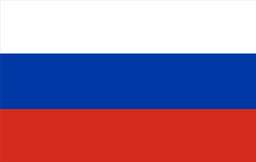
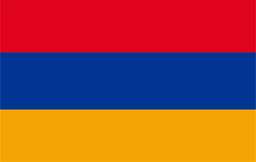
Below is the full list of Collective Security Treaty Organization member countries:
Each member country maintains its own armed forces and national sovereignty while participating in joint defense agreements.
You can explore each country’s national flag in our Eurasian Countries Flags section for more detailed information.
Founding and Expansion of CSTO
The CSTO was officially established in 2002, building on the Collective Security Treaty signed in 1992.
Originally, several former Soviet states participated in the treaty. Over time, membership changed, and the organization formalized its structure in the early 2000s.
Some countries have withdrawn from membership, demonstrating that participation is voluntary.
Why CSTO Membership Matters
Membership in the CSTO provides several strategic benefits:
Collective Defense
An attack against one member may be considered an attack against all.
Military Exercises
Member states conduct joint military drills and training operations.
Regional Security Cooperation
The alliance addresses threats such as terrorism, extremism, and cross-border crime.
Crisis Response
The CSTO can deploy collective rapid reaction forces.
Defense Coordination
Member states share military planning and coordination efforts.
Security Structure of the CSTO
The CSTO includes:
- A Collective Security Council
- A Secretariat
- A Joint Staff
- Rapid Reaction Forces
These bodies coordinate defense strategy and regional stability efforts.
Relationship with National Sovereignty
CSTO membership does not eliminate national independence.
Each country:
- Maintains its own government
- Controls its own military command
- Preserves its national constitution
- Retains its national flag and identity
The organization operates through consensus among member states.
Role of the CSTO Flag
The Flag of Collective Security Treaty Organization (CSTO) represents unity in defense cooperation.
It is displayed at:
- Military summits
- Joint exercises
- Official headquarters
- Defense coordination meetings
The flag symbolizes alliance solidarity rather than national authority.
Regional Influence of CSTO Members
CSTO member countries are strategically located in:
- Eastern Europe
- Central Asia
- The Caucasus
This geographic position gives the organization significant regional influence in security matters.
Interesting Facts About CSTO Members
- The CSTO was formally created in 2002
- It has 6 current member states
- Headquarters is located in Moscow
- It conducts joint military exercises
- Membership is voluntary
Questions About CSTO Member Countries
How many countries are members of the CSTO?
There are 6 member states.
When was the CSTO established?
It was officially established in 2002.
What is the purpose of the CSTO?
To provide collective defense and regional security cooperation.
Does CSTO membership replace national military control?
No, each country maintains its own military authority.
Where is the CSTO headquarters located?
It is located in Moscow, Russia.








All Rights Reserved © 2025