Design of the Flag of Afghanistan
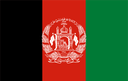
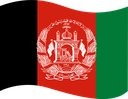
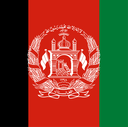
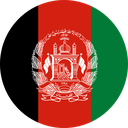
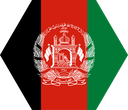
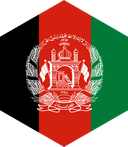
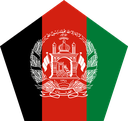
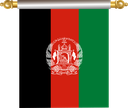
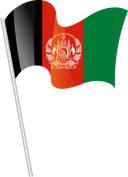
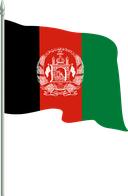
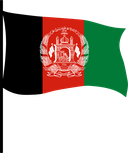
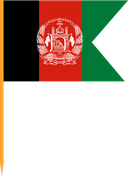
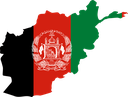
The flag of Afghanistan traditionally consists of three vertical stripes in black, red, and green. In the center of the flag appears the national emblem, which includes Islamic elements and symbolic imagery. The vertical tricolor layout gives the flag a bold and balanced appearance, making it easily recognizable.
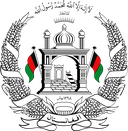
The central emblem has varied slightly across different versions of the flag, but it has commonly included a mosque, religious inscriptions, and national symbols. These elements emphasize the importance of faith, sovereignty, and historical continuity in Afghan society. The overall design reflects both political identity and cultural tradition.
Meaning of Colors and Symbols
The colors of the Afghanistan flag carry strong symbolic meaning. The black stripe represents the country’s difficult past, including periods of foreign influence and internal conflict. It serves as a reminder of the struggles Afghanistan has faced throughout its history.
The red stripe symbolizes courage, sacrifice, and the blood shed by those who fought for independence and national defense. It reflects resilience and determination. The green stripe represents hope, prosperity, and Islam, which plays a central role in Afghan culture and national identity.
The national emblem often features a mosque, representing faith and devotion, along with religious inscriptions that emphasize unity and belief. These symbols highlight the spiritual foundation of the nation and its connection to Islamic values.
Historical Background of the Afghanistan Flag
Afghanistan’s flag history is complex, with numerous changes reflecting political shifts and regime changes. The use of black, red, and green dates back to the early 20th century, when Afghanistan sought to establish itself as a modern and independent state.
Different governments introduced modifications to the emblem and layout, but the core symbolism remained consistent. These changes often coincided with major historical events, such as independence movements and constitutional reforms. Readers interested in a deeper explanation of these transitions can explore the History of Afghanistan page for more detailed background.
Cultural and National Significance
The flag of Afghanistan holds deep emotional importance for its people. It is a symbol of national pride, resistance, and cultural heritage. The flag is commonly displayed during national events, religious holidays, and public gatherings.
For many Afghans, the flag represents unity across diverse ethnic and regional communities. Despite political changes, the flag remains a strong marker of Afghan identity, both within the country and among Afghan communities abroad.
Relationship to Other Regional Flags
The Afghanistan flag shares symbolic similarities with other regional flags that incorporate Islamic elements and tricolor designs. While its layout is unique, comparisons can be drawn with flags from neighboring regions in terms of color symbolism and emblem usage.
Visitors interested in regional comparisons may also explore flags from nearby countries in Central and South Asia to better understand shared cultural and historical influences. Such comparisons help place the Afghanistan flag within a broader regional context.
Modern Use of the Flag of Afghanistan
Today, the Afghanistan flag is widely recognized internationally as a representation of the country. It appears on official buildings, educational materials, and international platforms. The flag is also used by Afghan communities around the world to express cultural identity and connection to their homeland.
Online collections of world flags frequently include the flag of Afghanistan, allowing global audiences to learn about its design and symbolism. This continued visibility reinforces the flag’s role as a key national symbol.
Interesting Facts About the Flag of Afghanistan
- Afghanistan has had many flag variations over the past century.
- The black, red, and green colors have been used repeatedly across different designs.
- Islamic symbols have consistently appeared on the national emblem.
- The flag reflects both political history and religious identity.
- Changes in the flag often matched major historical events.
Frequently Asked Questions
What do the colors of the Afghanistan flag represent?
Black represents the past, red symbolizes sacrifice and courage, and green stands for hope and Islam.
Has the flag of Afghanistan changed over time?
Yes, Afghanistan has used several flag designs reflecting political and historical changes.
Why does the Afghanistan flag include Islamic symbols?
Islam is a central part of Afghan culture and national identity, making religious symbols significant.
When was the tricolor flag design introduced?
The black, red, and green tricolor became prominent in the early 20th century.
Is the Afghanistan flag recognized internationally?
Yes, the flag is widely recognized as a symbol of Afghanistan.