


Commonwealth of Independent States Member Countries – Full List & Details
The Commonwealth of Independent States Member Countries page provides a complete overview of the nations that participate in the CIS. Formed in 1991 after the dissolution of the Soviet Union, the Commonwealth of Independent States (CIS) was created to maintain cooperation among newly independent states. The organization promotes economic coordination, political dialogue, cultural exchange, and security cooperation. This guide explains which countries are members, how CIS membership works, and why the organization remains important in Eurasian regional affairs.
What is the Commonwealth of Independent States (CIS)?
The Commonwealth of Independent States, commonly known as CIS, is a regional intergovernmental organization.
It focuses on:
- Economic cooperation
- Political consultation
- Security dialogue
- Cultural collaboration
- Trade coordination
- Regional development
The CIS Executive Committee is headquartered in Minsk, Belarus.
How Many Members Are in the CIS?
The CIS currently has 9 full member states.
Some former members have withdrawn or changed their participation status over time, making the organization flexible in structure.
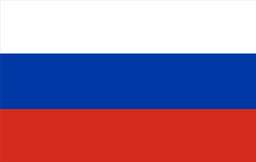
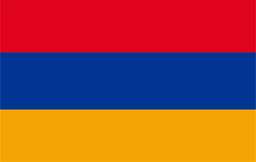
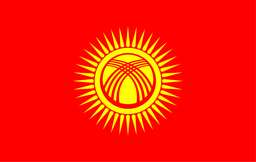
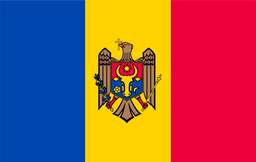
Complete List of CIS Member Countries
Below is the updated list of Commonwealth of Independent States member countries:
Each of these countries maintains full sovereignty while participating in cooperative agreements under the CIS framework.
You can explore each country’s national flag in our Eurasian Countries Flags section for more detailed information.
Historical Background of CIS Membership
The CIS was established in December 1991 by leaders of former Soviet republics.
It was created to manage the transition from a unified political system to independent states while preserving economic and diplomatic ties.
Over time, membership evolved as some countries reduced participation or formally withdrew.
Why CIS Membership Matters
Membership in the CIS provides several advantages:
Economic Cooperation
Member states coordinate trade and customs agreements.
Political Dialogue
The organization offers a platform for diplomatic consultation.
Security Collaboration
Members cooperate on regional stability and counter-terrorism.
Cultural Exchange
Shared history and language strengthen cross-border connections.
Infrastructure Coordination
Regional transportation and energy networks are supported through cooperation.
Economic Importance of CIS Members
Combined, CIS member countries represent:
- Major energy producers
- Large landmass across Eurasia
- Strategic trade corridors
- Industrial and agricultural markets
Regional cooperation supports economic stability and development.
Structure and Governance
The CIS operates through:
- Council of Heads of State
- Council of Heads of Government
- Executive Committee
- Specialized intergovernmental bodies
Decisions are generally made through consensus.
Role of the CIS Flag
The Flag of Commonwealth of Independent States represents unity among its participating states.
It is displayed at:
- CIS summits
- Diplomatic meetings
- Regional forums
- Official headquarters
The flag symbolizes partnership rather than centralized authority.
Relationship with National Sovereignty
CIS membership does not override national independence.
Each country:
- Maintains its own constitution
- Controls its own foreign policy
- Preserves its national symbols and flag
Participation is voluntary and cooperative in nature.
Regional Influence of CIS Members
CIS member states are located across:
- Eastern Europe
- Central Asia
- The Caucasus
This geographic diversity gives the organization influence across a large region.
Interesting Facts About CIS Members
- The CIS was formed in 1991
- It includes 9 current member states
- Minsk hosts the Executive Committee
- Some countries have changed membership status
- It promotes regional economic coordination
Questions About Commonwealth of Independent States Member Countries
How many countries are members of the CIS?
There are 9 full member states.
When was the CIS formed?
It was established in December 1991.
What is the main purpose of the CIS?
To promote economic, political, and security cooperation.
Does CIS membership replace national governments?
No, each country remains fully sovereign.
Where is the CIS headquarters located?
The Executive Committee is in Minsk, Belarus.







All Rights Reserved © 2025