Design of the Flag of Moldova
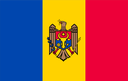
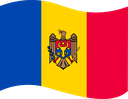
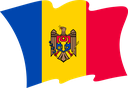
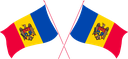
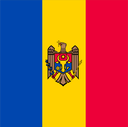
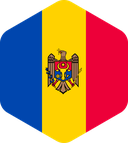
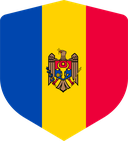
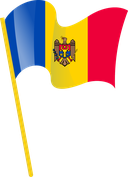
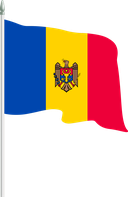
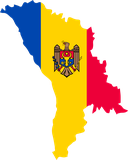
The flag of Moldova features three vertical stripes of equal width. From left to right, the colors are blue, yellow, and red. Centered on the yellow stripe is the national coat of arms of Moldova.
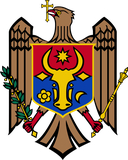
The coat of arms shows an eagle holding a cross in its beak, a scepter in one claw, and an olive branch in the other. On the eagle’s chest is a shield displaying an aurochs (wild ox) head, flanked by a star, a rose, and a crescent. This emblem clearly distinguishes Moldova’s flag from similar tricolor flags used by neighboring countries.
Meaning of the Colors and Symbols
Each color on the Moldovan flag carries symbolic meaning. The blue stripe represents freedom, loyalty, and the open sky, reflecting hope and national ideals. It is also associated with peace and stability.
The yellow stripe symbolizes prosperity, justice, and the fertile land of Moldova, which has long been known for agriculture and vineyards. Yellow also represents optimism and national wealth.
The red stripe stands for courage, strength, and the sacrifices made for independence. It reflects the determination of the Moldovan people throughout history.
The coat of arms is rich in symbolism. The eagle represents sovereignty and protection, while the cross reflects the country’s Christian heritage. The aurochs head is a historic symbol of Moldova, representing strength, endurance, and continuity.
Historical Background and Adoption
Moldova’s modern flag emerged during a period of political change near the end of the 20th century. As the country moved away from Soviet rule, national symbols were reintroduced to reflect historical identity and independence.
The flag of Moldova was officially adopted on April 27, 1990, shortly before the country declared independence from the Soviet Union in 1991. The tricolor design reflects close cultural and historical ties with Romania, while the coat of arms emphasizes Moldova’s distinct national identity. More context on this transition can be found on the history of Moldova page.
Cultural and National Significance
The Moldovan flag is widely used during national holidays, public ceremonies, and international events. It represents unity among citizens and serves as a reminder of the country’s journey toward independence and self-determination.
Within Eastern Europe, the Moldovan flag is often compared with the Flag of Romania, due to their shared colors. However, the inclusion of the coat of arms ensures clear distinction and reinforces Moldova’s sovereignty. The flag also shares visual similarities with other European tricolors, reflecting regional identity.
Official Use and Flag Etiquette
The flag of Moldova is flown at government buildings, schools, embassies, and public institutions. It is displayed during national celebrations such as Independence Day and Constitution Day.
Guidelines exist for respectful handling and display of the flag. It is commonly raised during official events and lowered at sunset. When displayed with other national flags, Moldova’s flag is given equal respect and prominence.
The Flag in Modern Moldova
In modern Moldova, the flag symbolizes both tradition and progress. It is frequently seen at cultural festivals, sporting events, and diplomatic gatherings. For many citizens, the flag represents hope for stability, economic development, and stronger ties with Europe.
Despite political debates and regional challenges, the flag remains a unifying national symbol that connects past heritage with future aspirations.
Questions About the Flag of Moldova
When was the flag of Moldova adopted?
The flag was officially adopted on April 27, 1990.
Why does Moldova’s flag look similar to Romania’s?
They share historical and cultural ties, but Moldova’s flag includes a coat of arms for distinction.
What does the eagle on the flag represent?
It symbolizes sovereignty, protection, and national authority.
What is the meaning of the aurochs head?
It represents strength, endurance, and Moldova’s historical identity.
Is the Moldovan flag the same on both sides?
Yes, the design appears on both sides of the flag.