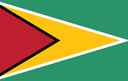
Design of the Flag of Caribbean Community
The Flag of Caribbean Community features a light blue field with the CARICOM emblem centered on the flag.
The emblem includes:
- Two interlocking letter “C” shapes
- A circular design symbolizing unity
- The word CARICOM displayed beneath the emblem
The design is modern and minimal, avoiding national coats of arms or political imagery to maintain neutrality among members.
Meaning of Colors and Symbols
Each element of the Flag of Caribbean Community carries symbolic meaning tied to regional cooperation.
The light blue background represents the Caribbean Sea and the shared maritime environment that connects member states. It also symbolizes peace and stability.
The interlocking “C” shapes represent “Caribbean Community” and symbolize unity and cooperation among member countries.
The circular form reflects equality, partnership, and shared goals.
The simplicity of the design emphasizes practical cooperation and collective progress rather than political dominance.
Together, these elements express solidarity, shared identity, and regional integration.
Historical Background of the Caribbean Community Flag
The Caribbean Community, officially known as Caribbean Community, was established in 1973 through the Treaty of Chaguaramas.
The organization was created to promote economic integration, coordination of foreign policy, and cooperation in education and public services among Caribbean nations.
The official emblem and flag were introduced to represent a shared Caribbean identity distinct from colonial-era symbols. The design emphasizes unity while respecting the independence of each member state.
Readers interested in regional cooperation can explore more context on the History of the Caribbean Community page.
Political and Regional Significance
The Flag of Caribbean Community symbolizes collaboration in trade agreements, infrastructure projects, health programs, and cultural exchange.
When displayed at regional conferences, summits, and official events, the flag represents collective decision-making rather than national authority.
The flag reinforces CARICOM’s mission to strengthen economic resilience and improve quality of life across the Caribbean region.
Relationship to Member States’ National Flags
The Flag of Caribbean Community is designed to complement national flags.
At official events, it is displayed alongside the flags of member countries, reinforcing unity while maintaining sovereignty. Each state retains its own national identity and governance.
Comparing regional and national flags highlights how Caribbean cooperation exists alongside independent statehood.
Modern Use of the Flag of Caribbean Community
Today, the Flag of Caribbean Community is used at:
- CARICOM headquarters and offices
- Regional summits and diplomatic meetings
- Development initiatives and trade forums
- Official publications and reports
The flag also appears in educational and economic discussions related to Caribbean integration and cooperation.
Its continued use reinforces the shared goals of stability, development, and regional partnership.
Interesting Facts About the Flag of Caribbean Community
- CARICOM was established in 1973
- The emblem features two interlocking “C” shapes
- Blue represents the Caribbean Sea
- The circle symbolizes unity
- It is used alongside national flags
Questions About the Flag of Caribbean Community
What does the Flag of Caribbean Community represent?
It represents regional unity and economic cooperation in the Caribbean.
When was CARICOM established?
It was established in 1973.
Why is blue used on the flag?
Blue represents the Caribbean Sea and regional connection.
What do the interlocking “C” shapes mean?
They symbolize Caribbean Community and unity.
Where is the flag commonly displayed?
At CARICOM headquarters and regional meetings.