Design of the Flag of Jamaica
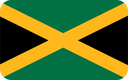
The Flag of Jamaica features a gold diagonal cross, known as a saltire, dividing the flag into four triangular sections.
- The top and bottom triangles are green
- The left and right triangles are black
- The diagonal cross is gold
The design is symmetrical and dynamic, creating a strong visual impact. The diagonal layout gives the flag a sense of movement and energy.
Meaning of Colors and Symbols
Each color of the Flag of Jamaica carries clear symbolic meaning tied to national identity.
The black color represents the strength and creativity of the Jamaican people. It also symbolizes the hardships and struggles faced throughout history.
The green color represents the land, agriculture, and hope for the future. It reflects Jamaica’s fertile landscape and optimism.
The gold color represents natural wealth, sunshine, and prosperity. It symbolizes the bright future envisioned for the nation.
Together, the colors are often summarized by the phrase:
“Hardships there are, but the land is green and the sun shineth.”
Historical Background of the Jamaica Flag
The Flag of Jamaica was officially adopted on August 6, 1962, the day Jamaica gained independence from British colonial rule.
Before independence, Jamaica used a British colonial flag featuring the Union Jack. As the nation prepared for independence, a new flag was designed to reflect freedom, unity, and national pride.
The final design was selected after public consultation and refinement, ensuring that the flag represented the people rather than colonial authority. Readers interested in this transition can explore more context on the History of Jamaica page.
Cultural and National Significance
The Flag of Jamaica holds deep cultural and emotional importance. It represents independence, self-confidence, and pride in Jamaican identity.
The flag is prominently displayed during Independence Day celebrations, cultural festivals, and international sporting events. For Jamaicans at home and abroad, it symbolizes resilience, creativity, and global influence in music, sports, and culture.
Relationship to Other Caribbean Flags
The Flag of Jamaica stands out among Caribbean flags due to its diagonal cross and absence of colonial colors.
While many Caribbean nations retained elements influenced by European powers, Jamaica chose a completely original design. This makes the flag a strong symbol of independence and national confidence.
Modern Use of the Flag of Jamaica
Today, the Flag of Jamaica is flown on government buildings, schools, public spaces, and homes across the island. It is also widely displayed by the Jamaican diaspora around the world.
The flag plays an important role in education and civic life, helping citizens understand national values, independence, and unity. Its continued use reinforces Jamaica’s identity as a proud and influential Caribbean nation.
Interesting Facts About the Flag of Jamaica
- It is one of the few flags without red, white, or blue.
- The design uses a diagonal cross.
- It was adopted in 1962.
- The colors symbolize struggle and hope.
- It represents independence from colonial rule.
Frequently Asked Questions
What do the colors of the Jamaica flag represent?
Black represents strength, green represents land and hope, and gold represents sunshine and prosperity.
When was the Flag of Jamaica adopted?
It was adopted on August 6, 1962.
Why does the Jamaica flag have a diagonal cross?
The cross adds a unique and dynamic design representing unity.
Is the Jamaica flag unique in its colors?
Yes, it does not include red, white, or blue.
Where is the Jamaica flag commonly displayed?
It is flown on public buildings and during national celebrations.