What Does National Flag Looks?
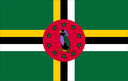
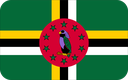
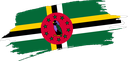
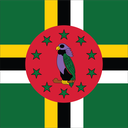
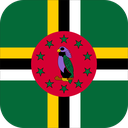
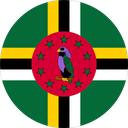
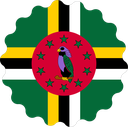
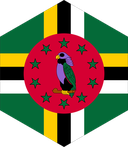
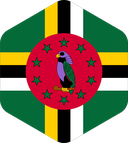
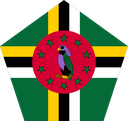
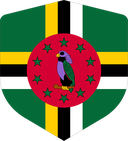
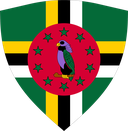
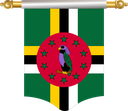
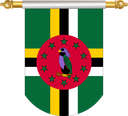
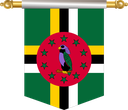
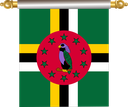
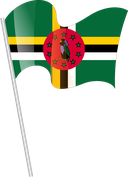
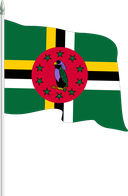
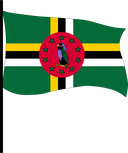
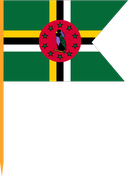
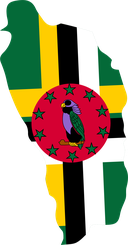
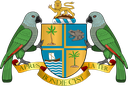
Dominica’s national flag has a dark green background crossed by yellow, black, and white stripes. At the center is a red circle featuring the Sisserou parrot, Dominica’s national bird, surrounded by ten lime-green stars. The ten stars also signify the country’s ten communities and their equal prestige. The Sisserou parrot is found only in Dominica and it signifies national personality and ambition. The red color circle signifies social integrity. These elements make the design highly unique. A Dominica flag map is also useful for considerate the country’s location. Dominica lies on the eastern Caribbean between Guadeloupe and Martinique, within the Slighter Antilles.
Understanding the National Colors
The Dominica flag colors have specific meanings. Forest green color signifies the island’s rich shrubbery. Yellow color denotes sunshine, important agricultural yield and the island’s Native Carib and Arawak legacy. Black color signifies luxuriant soil and African inheritance, while white color signifies clear rivers, waterfalls and purity of hope.
The yellow color, black color and white color stripes form a triple colored fractious are also signifying the trio and spiritual belief. These meanings also connect the national Emblem diligently with Dominica’s background, history, culture and beliefs.
History and Development
The history of Dominica comprises Native defrayal, European imposing regulation and it also get freedom from United Kingdom on November 3, 1978. The national flag was introduced at his independence day and other celebrations, it was designed by Dominican artist Alwin Bully. Future modifications also changed details such as stripe order, the parrot’s position and Design star styling.
Dominica is an independent Caribbean country and it not be confused with the Dominican Republic. It also has close regional influences with Saint Lucia, Antigua and Barbuda and the Global Organisation of Eastern Caribbean States.
Flag Emoji and Caribbean Culture
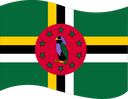
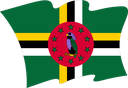
The Dominica flag emoji allows people to denote Dominica in social media posts, messages, also in travel negotiations, sporting events and in national content. It is a quick digital sign of the country’s identity.
Caribbean culture also includes music, festivals, food and outmoded social games. Readers can also exploring local traditions that may meet the history of dominoes in the caribbean, which is a separate traditional topic also linked with community congregations and freedom across many islands.
For consistent information about national signs, readers should highlight official government sources, it also acknowledged educational references and it also established historical assets.
Questions about Dominica Country
Where is Dominica Island Located?
Dominica is an island country in the eastern Caribbean Sea, it is located between Guadeloupe and Martinique, within the Lesser Antilles Island in manacle of the region.
What is Dominica specially known for?
Dominica is also recognized for rainforests, waterfalls, volcanic backgrounds, hiking, hot springs, the Sisserou parrot and its strong standing universal today.
What is National currency of Dominica?
Dominica uses the Eastern Caribbean dollar as its Official Currency, it is commonly written as XCD. It is also used by numerous members of the Eastern Caribbean Union.
Is Dominica the same as Dominican Republic?
No, Dominica and the Dominican Republic are separate Caribbean countries. Dominica is a smaller island nation, while the Dominican Republic shares Hispaniola with Haiti.