Design of the Flag of Antigua and Barbuda
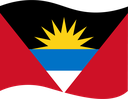
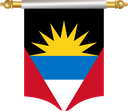
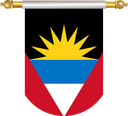
The flag of Antigua and Barbuda features a red field with an inverted isosceles triangle extending upward from the bottom center. Inside the triangle are three horizontal color sections: black at the top, blue in the middle, and white at the bottom. At the top of the black section is a yellow rising sun with seven rays.
The red background frames the central triangle, drawing attention to the symbolic core of the design. The rising sun is the most prominent element, creating a strong focal point. This combination of shapes and colors makes the flag visually striking and easily recognizable among world flags.
Meaning of Colors and Symbols
Each element of the Antigua and Barbuda flag has clear symbolic meaning. The black color represents the African heritage of the people and their shared history. It reflects strength and identity rooted in ancestry.
The blue color symbolizes hope and the surrounding Caribbean Sea, which plays a central role in the nation’s geography and economy. The white color represents purity, peace, and the sandy beaches of the islands. Together, blue and white also reflect harmony between land and sea.
The red background symbolizes the energy, courage, and determination of the people. The rising yellow sun represents a new era, hope, and the dawn of independence. The sun’s rays are often interpreted as symbolizing the people and the start of a bright future.
Historical Background of the Antigua and Barbuda Flag
The current flag of Antigua and Barbuda was officially adopted on February 27, 1967, when the country became an associated state of the United Kingdom. The design was created through a national competition and was selected for its strong symbolism and originality.
When Antigua and Barbuda gained full independence in 1981, the flag was retained, reinforcing its connection to national identity. The flag’s adoption marked a significant moment in the country’s political development. Readers interested in the broader independence movement can explore the History of Antigua and Barbuda page for more background.
Cultural and National Significance
The flag of Antigua and Barbuda holds deep cultural importance for its citizens. It is a symbol of freedom, resilience, and unity. The flag is widely displayed during Independence Day celebrations, cultural festivals, sporting events, and official ceremonies.
For many people, the flag represents pride in overcoming colonial rule and building a sovereign nation. Its bold design reflects confidence and optimism, qualities that are strongly associated with national identity.
Relationship to Other Caribbean Flags
The Antigua and Barbuda flag stands out among Caribbean national flags due to its unique shape and rising sun symbol. While many Caribbean flags use horizontal or vertical stripes, this flag’s triangular design sets it apart.
Comparisons with other regional flags help highlight the diversity of symbolism in the Caribbean. Visitors exploring Caribbean flags may notice how Antigua and Barbuda’s design emphasizes renewal and independence more strongly than traditional colonial influences.
Modern Use of the Flag of Antigua and Barbuda
Today, the flag of Antigua and Barbuda is flown on government buildings, schools, and public spaces throughout the country. It is also used in international events, representing the nation on the global stage.
The flag appears frequently in tourism branding, cultural promotions, and educational materials. Its continued use reinforces national pride and helps promote Antigua and Barbuda’s identity worldwide.
Interesting Facts About the Flag of Antigua and Barbuda
- The flag was adopted in 1967.
- It features a unique inverted triangle design.
- The rising sun symbolizes a new era of independence.
- The colors represent heritage, hope, and natural beauty.
- The design was chosen through a public competition.
Frequently Asked Questions
What does the rising sun on the Antigua and Barbuda flag represent?
It represents a new beginning, hope, and independence.
Why is the Antigua and Barbuda flag so unique?
Its triangular shape and bold symbolism make it different from most national flags.
When was the flag of Antigua and Barbuda adopted?
The flag was adopted on February 27, 1967.
What do the colors of the Antigua and Barbuda flag mean?
Black represents heritage, blue symbolizes hope and the sea, white stands for peace, and red represents energy and strength.
Is the flag of Antigua and Barbuda used internationally?
Yes, it is used in diplomatic and international events.