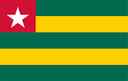
Design of the Flag of Commonwealth of Nations
The Flag of Commonwealth of Nations features a dark blue field with a gold emblem placed at the center.
The emblem consists of:
- A golden globe
- Multiple radiating lines extending outward from the globe
- A circular composition symbolizing unity
The design is modern and symbolic, avoiding national coats of arms or political insignia to ensure neutrality among members.
Meaning of Colors and Symbols
Each element of the Flag of Commonwealth of Nations carries important symbolic meaning.
The dark blue background represents peace, stability, and cooperation among member states. Blue is often used in international organization flags to symbolize trust and unity.
The golden globe represents the global nature of the Commonwealth and the equality of its member nations.
The radiating lines symbolize connection, shared values, and collaboration across continents. They also suggest diversity within unity.
The circular arrangement emphasizes equality, continuity, and voluntary partnership.
Together, these elements express friendship, cooperation, and mutual respect.
Historical Background of the Commonwealth of Nations Flag
The Commonwealth of Nations, officially known as the Commonwealth of Nations, evolved from the British Empire into a voluntary association of independent countries.
The modern Commonwealth was formally recognized in 1949 with the London Declaration, which redefined the organization as a partnership of sovereign states.
The official emblem and flag were introduced later to reflect the Commonwealth’s global and inclusive identity.
Readers interested in decolonization and global cooperation can explore more context on the History of the Commonwealth of Nations page.
Political and Global Significance
The Flag of Commonwealth of Nations symbolizes cooperation in areas such as democracy, education, trade, human rights, and sustainable development.
When displayed at summits and international meetings, the flag represents dialogue and collaboration rather than political integration. The Commonwealth operates on the principle of voluntary participation and shared values.
The flag is commonly seen at Commonwealth Heads of Government Meetings and other official gatherings.
Relationship to Member States’ National Flags
The Flag of Commonwealth of Nations complements national flags rather than replacing them.
At official events, it is displayed alongside the flags of member countries, reinforcing partnership while maintaining sovereignty. Each member retains its own political system and national identity.
Comparing organizational and national flags highlights how cooperation can exist without centralized authority.
Modern Use of the Flag of Commonwealth of Nations
Today, the Flag of Commonwealth of Nations is used at:
- Commonwealth headquarters and offices
- International summits and conferences
- Educational and cultural events
- Official publications and diplomatic gatherings
The flag also appears in initiatives promoting youth engagement, development programs, and democratic values.
Its continued use reinforces shared principles and global partnership.
Interesting Facts About the Flag of Commonwealth of Nations
- The modern Commonwealth was formalized in 1949
- The emblem features a golden globe
- Radiating lines represent global connection
- Blue symbolizes peace and stability
- Membership is voluntary
Questions About the Flag of Commonwealth of Nations
What does the Flag of Commonwealth of Nations represent?
It represents voluntary cooperation and shared values among member countries.
When was the modern Commonwealth formed?
It was formally recognized in 1949.
What does the golden globe symbolize?
It represents global unity and equality.
Does the Commonwealth flag replace national flags?
No, it is displayed alongside national flags.
Where is the flag commonly displayed?
At summits, headquarters, and official Commonwealth events.