Design of the Flag of Papua New Guinea
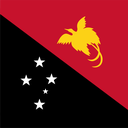
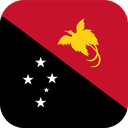
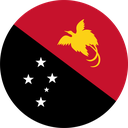
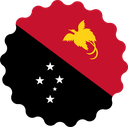
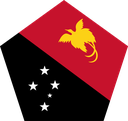
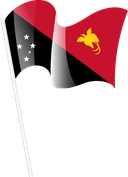
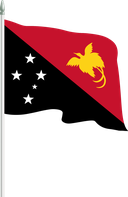
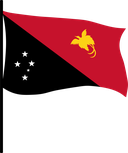
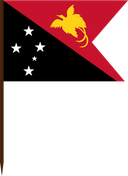
The flag of Papua New Guinea is divided diagonally from the upper hoist to the lower fly into two triangular sections.
- The upper left triangle is red and features a yellow bird-of-paradise
- The lower right triangle is black and displays five white stars arranged in the shape of the Southern Cross constellation
The diagonal layout gives the flag a dynamic appearance and clearly separates its two main symbolic themes: culture and geography.
Meaning of the Colors and Symbols
Each element of the Papua New Guinea flag carries strong national and cultural meaning.
The red color represents bravery, energy, and traditional culture. Red is widely used in Indigenous art and ceremonies across Papua New Guinea.
The black color symbolizes the Melanesian people, acknowledging the country’s Indigenous population and shared cultural identity.
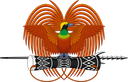
The bird-of-paradise is one of the most important national symbols of Papua New Guinea. It represents freedom, independence, and cultural pride. The bird is native to the region and is widely featured in traditional art and ceremonies.
The five white stars form the Southern Cross, a constellation visible in the southern hemisphere. The stars represent Papua New Guinea’s geographic location and its connection to other Pacific and Southern Hemisphere nations.
Historical Background and Adoption
Before independence, Papua New Guinea was administered by Australia and used colonial symbols. As independence approached, the country sought national symbols that would reflect Indigenous identity rather than colonial heritage.
In 1971, a national competition was held to design a flag. The winning design was created by Susan Karike, a young school student. Her design was chosen for its strong cultural symbolism and clarity.
Papua New Guinea gained full independence on September 16, 1975, and the flag has remained unchanged since its adoption. More historical context can be found on the history of Papua New Guinea page.
Cultural and National Significance
The Papua New Guinea flag holds deep cultural importance and is proudly displayed during Independence Day celebrations, cultural festivals, and official ceremonies.
The bird-of-paradise symbolizes the country’s unique wildlife and its freedom from colonial rule. The use of Indigenous colors and symbols makes the flag one of the most culturally representative national flags in the world.
Among Pacific flags, Papua New Guinea’s design is often compared with the Flag of Solomon Islands, though its Indigenous symbolism makes it distinctly unique.
Official Use and Flag Etiquette
The flag of Papua New Guinea is flown at government buildings, schools, embassies, and public institutions. It is also displayed during international meetings, sporting events, and diplomatic ceremonies.
Respectful handling of the flag is encouraged. It should be displayed properly and treated as a symbol of national unity and independence.
The flag plays an important role in civic education, teaching citizens about cultural heritage and national values.
The Flag in Modern Papua New Guinea
In modern Papua New Guinea, the flag continues to represent cultural pride and national unity. It appears in public spaces, educational materials, and national branding.
The flag is widely embraced across different regions and communities, serving as a unifying symbol in a highly diverse society.
Its Indigenous symbolism reinforces the country’s commitment to preserving tradition while engaging with the global community.
Design Strength and Recognition
The Papua New Guinea flag is widely praised for its originality and meaningful symbolism. Its diagonal layout, bold colors, and native imagery make it instantly recognizable.
Unlike many flags that rely on colonial influences, Papua New Guinea’s flag stands as a strong example of post-colonial national identity.
The design is both visually powerful and culturally authentic, ensuring lasting recognition worldwide.
Questions About the Flag of Papua New Guinea
When was the flag of Papua New Guinea adopted?
The flag was adopted in 1971.
What does the bird-of-paradise represent?
It symbolizes freedom, independence, and cultural pride.
Why is the Southern Cross on the flag?
It represents the country’s location in the southern hemisphere.
What do the red and black colors mean?
They represent Indigenous culture and the Melanesian people.
Is the Papua New Guinea flag the same on both sides?
Yes, the design appears on both sides of the flag.