Design of the Flag of Ghana
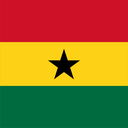
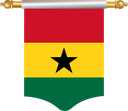
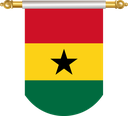
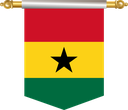
The Flag of Ghana consists of three horizontal stripes of equal width. From top to bottom, the colors are red, yellow, and green.
At the center of the yellow stripe is a black five-pointed star. The layout is clean and balanced, allowing the colors and star to stand out clearly. The flag’s simplicity makes it easy to recognize while emphasizing its symbolic elements.
Meaning of Colors and Symbols
Each element of the Flag of Ghana carries deep and intentional meaning.
The red stripe represents the blood shed by those who fought for independence. It symbolizes sacrifice, courage, and the struggle for freedom.
The yellow stripe represents Ghana’s mineral wealth, particularly gold, which played a major role in the country’s history and economy. It also symbolizes prosperity and hope.
The green stripe represents Ghana’s rich forests, farmland, and natural resources. It symbolizes growth, agriculture, and renewal.
The black star is the most iconic symbol on the flag. It represents African freedom and unity, as well as Ghana’s role as a leader in the Pan-African movement. The star symbolizes guidance, strength, and independence.
Historical Background of the Ghana Flag
The Flag of Ghana was officially adopted on March 6, 1957, the day Ghana gained independence from British colonial rule. The flag was designed by Theodosia Okoh, a Ghanaian artist.
The black star was inspired by Marcus Garvey’s Black Star Line, reflecting Pan-African ideals and unity among African nations. Ghana’s independence marked a turning point in African history, and its flag quickly became a symbol of liberation across the continent.
Readers interested in this era can explore more context on the History of Ghana page, which explains the independence movement and national transformation.
Cultural and National Significance
The Flag of Ghana holds deep cultural and emotional significance for Ghanaians. It represents pride, self-rule, and the country’s leadership role in African independence.
The flag is prominently displayed during Independence Day celebrations, national holidays, cultural festivals, and sporting events. For citizens, it symbolizes unity, resilience, and national dignity.
Relationship to Other African Flags
The Flag of Ghana uses Pan-African colors—red, yellow, and green—which were inspired by the Ethiopian flag and later adopted by many African nations.
What makes Ghana’s flag unique is the black star, which distinguishes it from other Pan-African flags and emphasizes Ghana’s pioneering role in African independence. Comparing African national flags highlights Ghana’s lasting influence on continental symbolism.
Modern Use of the Flag of Ghana
Today, the Flag of Ghana is flown on government buildings, schools, and public spaces throughout the country. It is also displayed at embassies, international organizations, and global events representing Ghana abroad.
The flag plays an important role in education and civic life, teaching values of freedom, unity, and national responsibility. Its continued use reinforces Ghana’s identity as a proud and independent African nation.
Interesting Facts About the Flag of Ghana
- The flag was adopted in 1957.
- Ghana was the first sub-Saharan African country to gain independence.
- The black star symbolizes African freedom.
- The colors are Pan-African.
- The flag was designed by a Ghanaian woman.
Frequently Asked Questions
What does the black star on the Ghana flag represent?
It represents African freedom, unity, and leadership.
When was the Flag of Ghana adopted?
It was adopted on March 6, 1957.
Why does the Ghana flag use red, yellow, and green?
These are Pan-African colors symbolizing sacrifice, wealth, and nature.
Who designed the Ghana flag?
It was designed by Theodosia Okoh.
Where is the Ghana flag commonly displayed?
It is flown on public buildings and during national events.