


Caribbean Community Member Countries – Full List & Details
The Caribbean Community Member Countries page provides a complete overview of the nations and territories that form CARICOM. Established in 1973 through the Treaty of Chaguaramas, the Caribbean Community (CARICOM) promotes economic integration, regional cooperation, and coordinated foreign policy among Caribbean states. The organization strengthens trade, supports sustainable development, and enhances collaboration across the Caribbean region. This guide explains who the members are, how membership works, and why CARICOM plays an important role in regional stability and economic growth.
What is the Caribbean Community (CARICOM)?
The Caribbean Community, commonly known as CARICOM, is an intergovernmental organization formed to encourage cooperation among Caribbean nations.
CARICOM focuses on:
- Economic integration
- Trade cooperation
- Human and social development
- Foreign policy coordination
- Regional security
- Environmental sustainability
The CARICOM Secretariat is headquartered in Georgetown, Guyana.
How Many Members Are in CARICOM?
CARICOM has 15 full member states and several associate members.
Full membership is granted to independent Caribbean countries that agree to follow the organization’s charter and participate in its integration initiatives.
Complete List of CARICOM Member Countries
Below is the full list of CARICOM member countries:
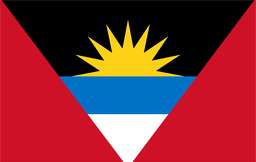
- Antigua and Barbuda
- Bahamas
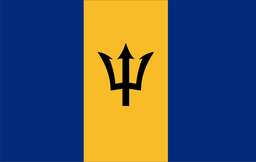
- Barbados
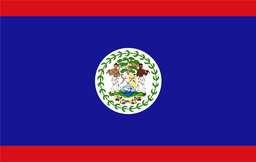
- Belize
- Dominica
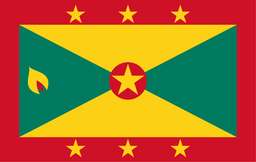
- Grenada
- Guyana
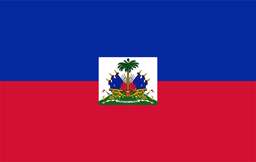
- Haiti
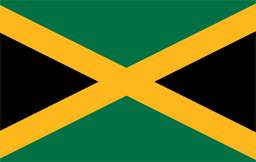
- Jamaica
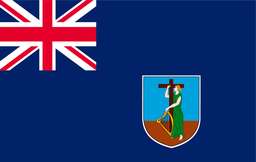
- Montserrat
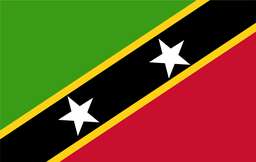
- Saint Kitts and Nevis
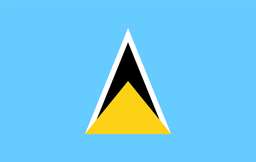
- Saint Lucia
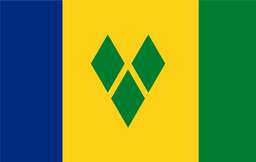
- Saint Vincent and the Grenadines
- Suriname
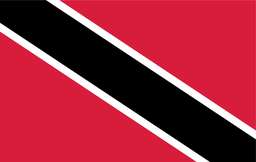
- Trinidad and Tobago
- These countries maintain full sovereignty while participating in shared regional programs.
You can explore each national flag in our Caribbean Countries Flags section for more detailed information.
Associate Members of CARICOM
In addition to full members, CARICOM also includes associate members, mainly overseas territories. These associate members participate in selected programs but do not hold full voting rights.
Founding of CARICOM
CARICOM was officially established on 4 July 1973.
The founding members were:
The organization expanded as more Caribbean nations joined to strengthen regional cooperation.
Why CARICOM Membership Matters
Membership in CARICOM offers several benefits:
Trade and Economic Integration
The Caribbean Single Market and Economy (CSME) promotes free movement of goods, services, capital, and skilled labor.
Regional Development
Member states collaborate on education, healthcare, and environmental protection.
Foreign Policy Coordination
CARICOM countries often present unified positions in international forums.
Security Cooperation
Regional collaboration helps address crime, disaster management, and emergency response.
Economic Resilience
Small island states benefit from collective negotiation power.
Economic Importance of CARICOM Members
Combined, CARICOM member countries represent:
- A significant Caribbean trade network
- A shared tourism market
- Coordinated economic planning
- Regional financial cooperation
Integration strengthens resilience against global economic challenges.
Role of the CARICOM Flag
The Flag of Caribbean Community represents unity among its member states.
It is displayed at:
- CARICOM summits
- Regional conferences
- Official headquarters
- Trade and development forums
The flag symbolizes partnership and cooperation rather than national authority.
Relationship with National Sovereignty
CARICOM membership does not replace national governance.
Each country:
- Maintains its own constitution
- Controls its own foreign policy
- Keeps its national symbols and flag
The organization operates through consensus and voluntary participation.
Regional Challenges and Cooperation
CARICOM members face shared challenges, including:
- Climate change
- Natural disasters
- Economic vulnerability
- Trade dependency
Regional cooperation helps improve preparedness and collective resilience.
Interesting Facts About CARICOM Members
- CARICOM was founded in 1973
- It includes both island and mainland countries
- Georgetown, Guyana hosts the Secretariat
- It promotes the Caribbean Single Market
- Membership includes 15 full states
Questions About Caribbean Community Member Countries
How many countries are members of CARICOM?
There are 15 full member states.
When was CARICOM established?
It was founded in 1973.
What is the purpose of CARICOM?
To promote economic integration and regional cooperation.
Does CARICOM replace national governments?
No, each member remains sovereign.
Where is the CARICOM headquarters located?
It is located in Georgetown, Guyana.






All Rights Reserved © 2025