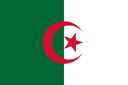
Design of the Flag of OPEC
The Flag of OPEC features a plain white background with the OPEC emblem placed at the center.
The emblem consists of:
- A stylized black oil derrick-like symbol
- The letters OPEC incorporated into the design
The layout is minimalist and uncluttered, emphasizing clarity and professionalism. The flag avoids decorative elements, national symbols, or complex imagery to maintain neutrality among member states.
Meaning of Colors and Symbols
Each element of the Flag of OPEC carries symbolic meaning related to energy and cooperation.
The white background represents neutrality, transparency, and peaceful cooperation among member countries. White is commonly used in international organizations to avoid political or cultural bias.
The black emblem symbolizes oil, the primary resource around which OPEC is formed. Black is traditionally associated with petroleum and energy production.
The derrick-inspired shape represents oil extraction, production, and the industrial foundation of the organization’s work.
The simplicity of the design reflects efficiency, stability, and focus on economic coordination rather than political symbolism.
Historical Background of the OPEC Flag
The Organization of the Petroleum Exporting Countries, officially known as Organization of the Petroleum Exporting Countries, was founded in 1960 by five oil-producing nations.
As OPEC grew in influence within global energy markets, a standardized emblem and flag were adopted to represent the organization at international forums, conferences, and official meetings.
The flag was designed to reflect professionalism, neutrality, and economic authority, aligning with OPEC’s role in stabilizing oil markets and coordinating petroleum policies.
Readers interested in global energy history can explore more context on the History of OPEC page.
Economic and Global Significance
The Flag of OPEC symbolizes one of the most influential organizations in the global energy sector.
OPEC plays a key role in coordinating oil production policies among member states to ensure stable prices and reliable supply. When the flag is displayed, it represents collective economic strategy rather than individual national interests.
It is commonly seen during international energy conferences, press briefings, and high-level economic meetings.
Relationship to Member States’ National Flags
The Flag of OPEC is designed to complement national flags, not replace them.
At official meetings, the OPEC flag is displayed alongside the flags of member countries, reinforcing cooperation while respecting national sovereignty. Each member state retains full control over its own national symbols.
Comparing organizational and national flags highlights how OPEC focuses on shared economic goals rather than political unity.
Modern Use of the Flag of OPEC
Today, the Flag of OPEC is used at:
- OPEC headquarters and offices
- International energy conferences
- Official press events and announcements
- Diplomatic and economic forums
The flag also appears in official publications, reports, and digital communications. Its presence reinforces OPEC’s authority and role in global energy governance.
Interesting Facts About the Flag of OPEC
- It uses a minimalist design
- Black symbolizes petroleum
- White represents neutrality
- The emblem resembles an oil derrick
- It avoids national imagery
Questions About the Flag of OPEC
What does the Flag of OPEC represent?
It represents cooperation and coordination among oil-producing nations.
Why is the OPEC flag white?
White symbolizes neutrality and transparency.
What does the black symbol on the flag mean?
It represents oil and energy production.
When was OPEC founded?
OPEC was founded in 1960.
Where is the OPEC flag commonly displayed?
At OPEC offices, conferences, and official events.