Design of the Flag of the Republic of the Congo
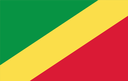
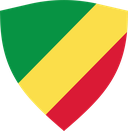
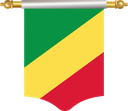
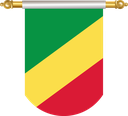
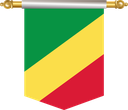
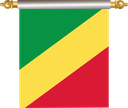
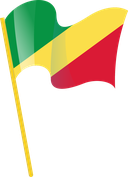
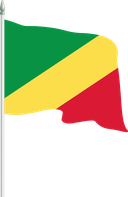
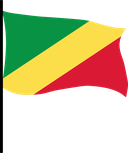
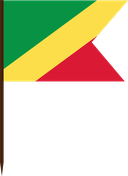
The flag of the Republic of the Congo features three diagonal bands running from the lower hoist corner to the upper fly corner.
- The upper triangle is green
- The central diagonal stripe is yellow
- The lower triangle is red
This diagonal layout is unique among African national flags and gives the flag a dynamic and modern appearance. The proportions are balanced so that each color is clearly visible and visually striking.
The simplicity of the design ensures easy recognition and reproduction.
Meaning of the Colors
Each color on the Congolese flag carries strong symbolic meaning connected to national values and African identity.
The green color represents agriculture, forests, and natural resources. It also symbolizes hope and the country’s rich tropical environment.
The yellow stripe symbolizes friendship, nobility, and prosperity. It reflects optimism for the future and the potential wealth of the nation.
The red color represents courage, sacrifice, and the struggle for independence. It honors those who fought for freedom and national dignity.
Together, these colors express unity, growth, and resilience.
Historical Background and Adoption
The Republic of the Congo was under French colonial rule until the mid-20th century. As independence movements spread across Africa, Congolese leaders sought national symbols that would reflect unity and African identity.
The flag was first adopted on August 18, 1958, when the country became an autonomous republic within the French Community. It was officially confirmed on August 15, 1960, the day the Republic of the Congo gained full independence.
During the period when the country was known as the People’s Republic of the Congo (1970–1991), a different socialist-style flag was used. After political reforms, the original diagonal tricolor was restored in 1991, reaffirming national heritage.
More historical context can be found on the history of the Republic of the Congo page.
Cultural and National Significance
The Congolese flag holds deep national importance and is widely displayed during Independence Day celebrations, official ceremonies, and public events.
It represents unity among diverse ethnic groups and regions across the country. The Pan-African colors link the Republic of the Congo to the broader African independence movement.
Among African flags, it is often compared with the Flag of Senegal and the Flag of Cameroon, though the diagonal design makes Congo’s flag unique.
Official Use and Flag Etiquette
The flag of the Republic of the Congo is flown at government buildings, schools, embassies, and public institutions. It is also displayed during diplomatic events and international forums.
Respectful handling of the flag is encouraged. It should be kept clean, displayed properly, and treated as a symbol of sovereignty and national pride.
During periods of national mourning, the flag may be flown at half-mast according to official protocol.
The Flag in Modern Republic of the Congo
In modern Congo, the flag represents stability, peace, and national renewal. It is commonly seen in education, sports events, and cultural festivals.
The restoration of the original flag in 1991 strengthened its role as a symbol of democracy and continuity.
The flag continues to unite citizens and serve as a reminder of independence and shared future goals.
Design Strength and Recognition
The Republic of the Congo flag is praised for its simple yet dynamic design. The diagonal tricolor sets it apart from many traditional horizontal or vertical flags.
Its bold colors ensure strong visibility, while the absence of complex symbols keeps the design timeless.
The flag’s Pan-African color scheme reinforces continental identity and historical solidarity.
Questions About the Flag of the Republic of the Congo
When was the flag of the Republic of the Congo adopted?
It was first adopted in 1958 and restored in 1991.
What do the colors of the flag represent?
They represent nature, prosperity, and sacrifice.
Why is the design diagonal?
The diagonal layout gives the flag a unique and dynamic identity.
Did the flag ever change?
Yes, a different flag was used during the socialist period from 1970 to 1991.
Is the Republic of the Congo flag the same on both sides?
Yes, the design appears on both sides of the flag.