Design of the Flag of Equatorial Guinea
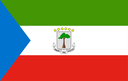
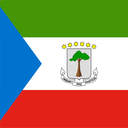
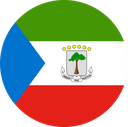
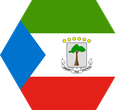
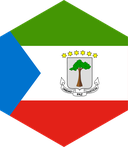
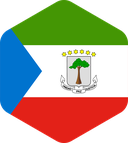
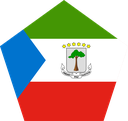
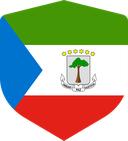
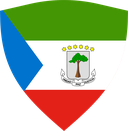
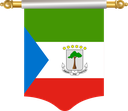
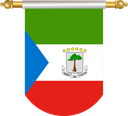
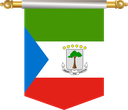
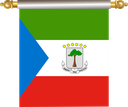
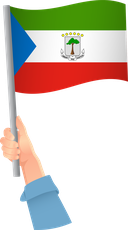
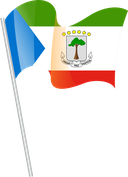
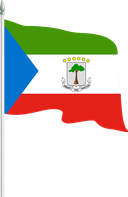
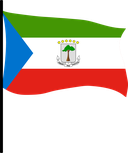
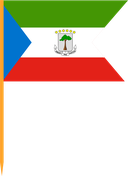
The Flag of Equatorial Guinea consists of three horizontal stripes and a blue triangle at the hoist side. From top to bottom, the stripes are green, white, and red. The blue triangle extends from the hoist toward the center of the flag.
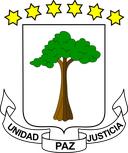
At the center of the white stripe is the national coat of arms, which features a silk-cotton tree, six stars, and a ribbon with a national motto. The combination of stripes, triangle, and emblem creates a visually clear and symbolic design.
Meaning of Colors and Symbols
Each element of the Flag of Equatorial Guinea carries specific symbolic meaning.
The green stripe represents the country’s lush vegetation, forests, and agricultural wealth. It symbolizes growth, fertility, and natural resources.
The white stripe stands for peace, harmony, and unity among the people of Equatorial Guinea.
The red stripe represents the blood shed by those who fought for independence and national sovereignty. It symbolizes courage and sacrifice.
The blue triangle represents the sea that connects the mainland with the island territories. It highlights national unity despite geographic separation.
The coat of arms features a silk-cotton tree, symbolizing historical heritage and endurance. The six stars represent the mainland region and the five major islands. The motto, “Unidad, Paz, Justicia” (Unity, Peace, Justice), reflects core national values.
Historical Background of the Equatorial Guinea Flag
The Flag of Equatorial Guinea was officially adopted on August 15, 1979, following political changes that reshaped the country’s governance. Although Equatorial Guinea gained independence from Spain in 1968, the flag design was refined later to reflect national renewal.
Earlier versions of the flag existed during the initial independence period. The current design emphasizes unity and peace after political transition. Readers interested in this era can explore more context on the History of Equatorial Guinea page.
Cultural and National Significance
The Flag of Equatorial Guinea holds strong national importance as a symbol of sovereignty and unity. It represents a country with diverse regions brought together under a shared national identity.
The flag is prominently displayed during Independence Day celebrations, national holidays, and official ceremonies. For citizens, it symbolizes independence, resilience, and hope for a peaceful future.
Relationship to Other African Flags
The Flag of Equatorial Guinea uses Pan-African colors—green, white, and red—shared by many African nations. These colors represent unity, freedom, and independence across the continent.
However, the blue triangle and silk-cotton tree make Equatorial Guinea’s flag unique. Compared to other Central African flags, it places strong emphasis on geographic unity and peaceful values rather than military or revolutionary imagery.
Modern Use of the Flag of Equatorial Guinea
Today, the Flag of Equatorial Guinea is flown on government buildings, schools, and public spaces throughout the country. It is also displayed at embassies, international organizations, and global events representing the nation abroad.
The flag plays an important role in education and civic life, helping citizens understand national history, geography, and values. Its continued use reinforces Equatorial Guinea’s identity on the international stage.
Interesting Facts About the Flag of Equatorial Guinea
- The flag was adopted in 1979.
- It includes both stripes and a triangle.
- The blue triangle represents the sea.
- Six stars represent mainland and islands.
- The silk-cotton tree symbolizes heritage.
Frequently Asked Questions
What does the blue triangle on the Equatorial Guinea flag represent?
It represents the sea connecting the mainland and islands.
Why does the flag include a silk-cotton tree?
It symbolizes historical heritage and endurance.
When was the Flag of Equatorial Guinea adopted?
It was officially adopted on August 15, 1979.
What do the stars on the coat of arms represent?
They represent the mainland and five major islands.
Where is the Equatorial Guinea flag commonly displayed?
It is flown on public buildings and during national events.