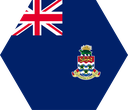
What Does Flag of Cayman Island Looks?
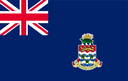
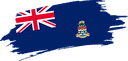
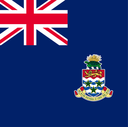
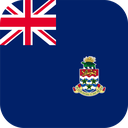
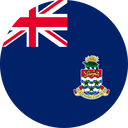
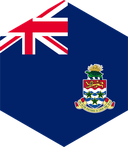
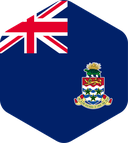
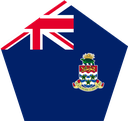
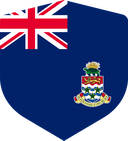
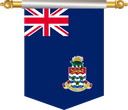
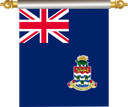
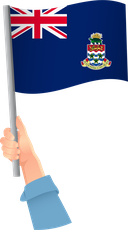
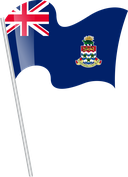
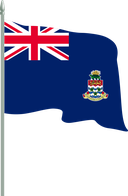
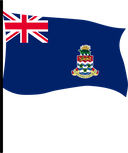
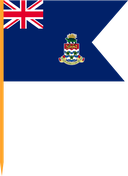
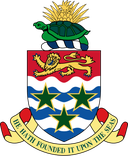
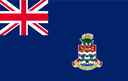
The Cayman Islands flag was officially approved in 1959. Its land style has also contain a dark blue color background, the Union Flag in the upper left corner, and the Cayman Islands national coat of arms displayed on the fly side. The coat of arms also includes three green color stars, which signifying the three islands, blue color and white color waves represent the sea, and a gold color lion signifying the Great Britain.
The design officially links these islands with the United Kingdom, while it also giving the territory, a clear native identity. Understanding the Cayman Islands flag is consequently a useful way to acquire Cayman's political status, geography, and its legacy.
Cayman island Location, Map and Population.
A Cayman Islands map displays the area of the western Caribbean Sea, south area of Cuba and also a northwest region of Jamaica. The land also consists of Grand Cayman and also on Little Cayman.
The latest official estimate its places, the national Cayman Islands population is 90,577 as of December 2025 reports. English is the Islands official language. For making international calls, island peoples also use the Cayman Islands telephone code is +1 345.
The territory also follows Eastern Standard Time zone throughout the year and it doesn’t discern daylight saving time. This means the Cayman Islands time difference from the UK has also changes seasonally. Cayman is five hours overdue GMT and six hours late from British Summer Time.
Weather and Best Experiences
The Cayman Islands weather is humid and warm during the year. The official tourism authority calls that, May to October known as the rainy season and November to April as the dry weather season. Visitor’s also check weather predictions, when planning outdoor tourism activities, particularly during the rainier months.
For travelers, exploring things to do in Cayman Islands, many popular choices may include Seven Mile long Coastline, Stingray City, snorkeling, scuba diving, Cayman hollows, and the softer natural background of Little Cayman. Travelers should interested in nautical life, that can explore ranges and globally known plunging places.
Cayman Islands History and Safety
A short look at Cayman Islands history, may also help to explain the signs that already seen on the Cayman Islands flag. Christopher Columbus is conventionally attributed with facing the islands in 1503. Spain shifted authority control to Great Britain in 1670, and the islands were future administered as a dependency of Jamaica continent. After Jamaica converted as an independent in 1962, Cayman also remained associated to Britain.
Many travelers also ask, are the Cayman Islands safe? United Kingdom government travel information also states that crime rates in island are low in rate, while visitors should still protect their treasures, it also secure important documents, and take functional personal safety protections.
Questions about Cayman Island
Is the Cayman a country or Island?
No. The Cayman is officially an Islands, which have own independent British Overseas Territory under the authority of the United Kingdom.
Where is Cayman Islands located on regional map?
The Cayman Islands are regionally located in the western Caribbean Sea, south area of Cuba and northwest side of Jamaica continent.
What is capital city of Cayman Islands?
George Town is the capital City of Cayman Island, it was located on Grand Cayman, it is officially known as main commercial center of the Cayman Islands.
Is Cayman Islands safe for travelers and tourists?
Yes, Generally, Crime rates are low in island, but traveler’s may also use normal travelling precautions and follow current local and government travel recommendation.
What is the official Language of Cayman Islands?
English is the official language of the Cayman Islands and is widely used in government, education, business, and daily life.