Design of the Flag of Greece
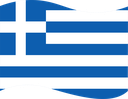
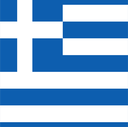
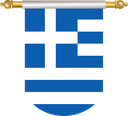
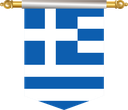
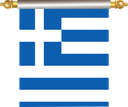
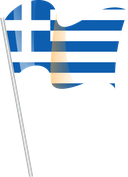
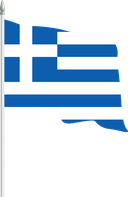
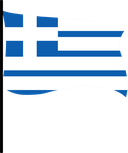
The Flag of Greece consists of nine horizontal stripes alternating between blue and white, starting and ending with blue. In the upper hoist-side corner is a white Greek cross set on a blue square canton.
The stripes run across the full width of the flag, while the cross occupies the canton area. The design is symmetrical and bold, combining religious symbolism with a strong maritime theme.
Meaning of Colors and Symbols
Every element of the Flag of Greece carries deep symbolic meaning.
The blue color represents the sea and sky, reflecting Greece’s island geography and maritime history. Blue also symbolizes freedom, loyalty, and national pride.
The white color represents purity, peace, and the struggle for independence. It symbolizes hope and the moral ideals behind the liberation movement.
The white cross represents Greek Orthodox Christianity, which has played a central role in Greek culture and national identity. It symbolizes faith and the unity of the Greek people.
The nine stripes are commonly believed to represent the syllables of the phrase “Eleftheria i Thanatos” (Freedom or Death), the national motto of Greece, though they also broadly symbolize freedom and resistance.
Historical Background of the Greece Flag
The Flag of Greece was first used during the Greek War of Independence in the early 19th century. Different versions of the flag appeared during the struggle against Ottoman rule.
The modern form of the flag was officially adopted in 1978, standardizing the design for all uses. Earlier versions were used separately for land and naval purposes.
The flag’s evolution reflects Greece’s journey from occupation to independence and modern statehood. Readers interested in this transformation can explore more context on the History of Greece page.
Cultural and National Significance
The Flag of Greece holds deep cultural and emotional significance for Greeks. It represents sacrifice, faith, and the rebirth of a nation after centuries of foreign rule.
The flag is prominently displayed during Independence Day on March 25, national holidays, religious celebrations, and official ceremonies. For citizens, it symbolizes unity, resilience, and pride in ancient and modern Greek heritage.
Relationship to Other European and Orthodox Flags
The Flag of Greece is one of the most recognizable European flags due to its striped design and religious symbolism. The cross connects it to other Christian-influenced flags, while the blue-and-white color scheme makes it unique.
Compared to other Balkan and European flags, Greece’s flag places strong emphasis on religion and maritime identity rather than political ideology.
Modern Use of the Flag of Greece
Today, the Flag of Greece is flown on government buildings, churches, schools, and public spaces across the country. It is also displayed at embassies, international organizations, and global sporting events representing Greece abroad.
The flag plays an important role in education and civic life, helping citizens understand national history, faith, and democratic values. Its continued use reinforces Greece’s identity as a sovereign European nation.
Interesting Facts About the Flag of Greece
- The flag has nine horizontal stripes.
- Blue and white reflect sea and freedom.
- The cross represents Orthodox Christianity.
- The design dates back to independence movements.
- It was standardized in 1978.
Frequently Asked Questions
What do the nine stripes on the Greece flag represent?
They are often linked to the phrase “Freedom or Death.”
Why does the Greece flag include a cross?
It represents Greek Orthodox Christianity.
When was the Flag of Greece officially adopted?
The modern version was adopted in 1978.
What do the blue and white colors symbolize?
They symbolize the sea, sky, peace, and freedom.
Where is the Greece flag commonly displayed?
It is flown on public buildings and during national events.