Design of the Flag of Burkina Faso
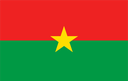
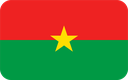
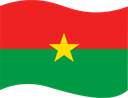
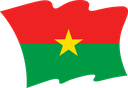
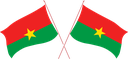
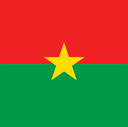
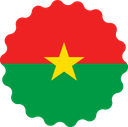
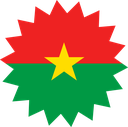
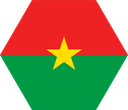
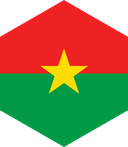
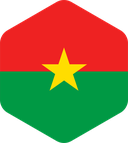
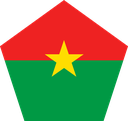
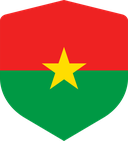
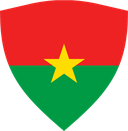
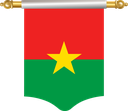
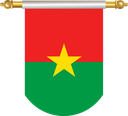
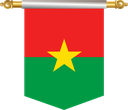
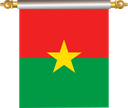
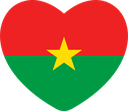
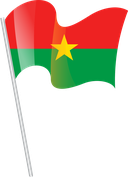
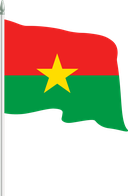
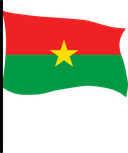
The flag of Burkina Faso consists of two horizontal stripes of equal width. The upper stripe is red, and the lower stripe is green. Centered between the two stripes is a yellow five-pointed star.
The layout is clean and balanced, with the star acting as the focal point of the design. The strong contrast between red, green, and yellow ensures visibility and makes the flag easily recognizable both nationally and internationally.
Meaning of Colors and Symbols
Each element of the Burkina Faso flag carries clear symbolic meaning. The red color represents the revolution and the sacrifices made by the people during the struggle for independence. It also symbolizes courage, determination, and the willingness to defend national sovereignty.
The green color represents agriculture, fertility, and the country’s natural resources. It symbolizes hope, growth, and the importance of farming to the livelihoods of the people.
The yellow star represents guidance, unity, and the revolutionary spirit. It symbolizes the light that leads the nation toward progress and equality. The star also reflects Pan-African ideals and solidarity with other African nations.
Together, these elements express resilience, unity, and commitment to social justice.
Historical Background of the Burkina Faso Flag
The current flag of Burkina Faso was officially adopted in 1984, following a political revolution led by Thomas Sankara. At that time, the country changed its name from Upper Volta to Burkina Faso, meaning “Land of Upright People.”
The new flag replaced the former colonial-era design and was intended to represent a break from the past. The red and green colors and the yellow star were chosen to reflect revolutionary values and Pan-Africanism. Readers interested in this transformative period can explore more details on the History of Burkina Faso page.
Cultural and National Significance
The flag of Burkina Faso holds strong cultural and political significance. It represents national dignity, independence, and unity among the people. The flag is widely displayed during national celebrations, public events, and official ceremonies.
For citizens of Burkina Faso, the flag is closely associated with pride, resistance, and the pursuit of equality. It reflects a shared vision of progress and national responsibility rooted in revolutionary ideals.
Relationship to Other African Flags
The Burkina Faso flag shares its color scheme with several African flags that use Pan-African colors. However, its simple two-stripe design with a central star distinguishes it from others.
Comparing African national flags shows how Burkina Faso emphasizes revolutionary symbolism and unity rather than complex emblems. The flag’s design reflects solidarity with Africa while maintaining a strong national identity.
Modern Use of the Flag of Burkina Faso
Today, the flag of Burkina Faso is flown on government buildings, schools, and public spaces across the country. It is also displayed at embassies and international events representing Burkina Faso abroad.
The flag plays an important role in education and civic life, helping teach values of unity, responsibility, and independence. Its continued use reinforces national identity and international recognition.
Interesting Facts About the Flag of Burkina Faso
- The flag was adopted in 1984.
- The star represents revolutionary guidance.
- Red symbolizes sacrifice and revolution.
- Green reflects agriculture and hope.
- The flag was introduced alongside the country’s new name.
Frequently Asked Questions
What does the star on the Burkina Faso flag represent?
It represents unity, guidance, and revolutionary ideals.
Why is the Burkina Faso flag red and green?
Red symbolizes revolution, while green represents agriculture and hope.
When was the flag of Burkina Faso adopted?
The flag was adopted in 1984.
What does the name Burkina Faso mean?
It means “Land of Upright People.”
Where is the Burkina Faso flag commonly displayed?
It is flown on government buildings and during national events.