What Does British Virgin Islands Flag Looks?
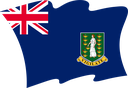
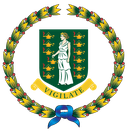
The British Virgin Island Flag has contain a blue color field with the Union Card in the upper left corner and the territory’s coat of arms on the right side. The coat of arms represents Saint Ursula also bordered by spots and also includes the word “Vigilate,” meaning “Be watchful.” The national flag was approved in 1960.
The Union Card also reveals the islands’ legal affiliation with United Kingdom, while the coat of arms gives the area, its own identity. People looking for a digital symbol that also search for British Virgin Islands flag emoji, while its appearance may diverge by platform.
Location, Official Map and Capital City
A British Virgin Island map also shows an archipelago in the northeastern Caribbean region. The main populated islands include Tortola, Virgin Gorda, Anegada, and Jost Van Dyke. The territory depends on east of Puerto Rico and near to the United States Virgin Islands.
A British and US Virgin Islands map is useful for understanding the two territories’ proximity and planning regional travel.
For readers researching the British Virgin Islands capital city, the answer is Road Town. It is on Tortola, the largest island and the territory’s main administrative and commercial centre.
Official Currency, Resorts and Travel information
The official British Virgin Islands currency is the United States dollar. Street Municipality also provides facilities and transport relations, while other islands also offer lower experiences.
Choosing a British Virgin Island resort that may also depends on your travel style. Tortola is also concrete for first time visitors, Virgin Gorda is generally known for his attractive beaches and expensive halts, Jost Van Watercourse has a comfortable atmosphere, and Anegada ensembles travelers to looking for peaceful backgrounds.
The British Virgin Island Flag is generally presented at government buildings and official locations, it also making it an important visual symbol across over the region.
Safety and Practical Information
People often ask are British Virgin Islands safe for tourists. Current UK traveling information says that, the crime ranks are generally low, while the serious instances can be happen. Invitees must protect its treasures, avoid to use insulated zones, and also follow confined information.
Travelers should also check passport and immigration requests for their nationality before departure it. British citizens also using a full passport that is currently need a passport useable for the duration of their stay in country.
The islands officially use Atlantic Standard Time, UTC−4, during the year without daylight saving clock time changes.
Informational Questions about Virgin Island
What time Format is officially use in British Virgin Islands?
The British Virgin Islands are also use Atlantic Standard Time (AST), UTC−4 year round, with no daylight saving time change. Check a Global live clock before spent vocation or booking events for accurate timing locally.
Where to stay in British Virgin Islands?
Tortola suits first-time visitors seeking convenience, Virgin Gorda offers upscale beaches, Jost Van Dyke feels relaxed, and Anegada is ideal for quiet, nature-focused stays away from busier areas.
Do you need a passport to go for British Virgin Islands?
Most universal companions may also need a valid passport to enter in the the British Virgin Islands. Entry rules is also separate by nationality, so check official migration requirements before roaming and book appointment for tourism.
Is British Virgin Islands safe?
The British Virgin Islands mostly have low crime levels, but serious incidents can be happen. Use normal protections, secure treasures, avoid to use isolated areas after dark, and stay conscious locally.
What is the capital of the British Virgin Islands?
Road Town is the capital of the British Virgin Islands. It is located on Tortola, the territory’s largest island, and serves as its main official administrative centre today.