Design of the Flag of Czech Republic
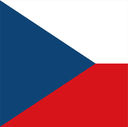
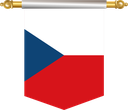
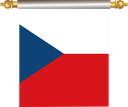
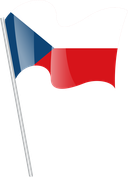
The Flag of Czech Republic consists of two horizontal bands and a blue isosceles triangle extending from the hoist side toward the center. The top band is white, the bottom band is red, and the blue triangle reaches halfway across the flag.
This design is simple yet distinctive. The triangle gives the flag a dynamic appearance and clearly separates it from many traditional tricolor flags. The strong contrast between white, red, and blue ensures easy recognition both nationally and internationally.
Meaning of Colors and Symbols
Each color on the Flag of Czech Republic carries symbolic meaning rooted in history and national identity.
The white color represents peace, honesty, and moral values. It also symbolizes purity and the historical lands of Bohemia.
The red color symbolizes courage, strength, and the blood shed in the struggle for freedom. Red reflects resilience and national determination.
The blue triangle represents vigilance, loyalty, and perseverance. Blue is also associated with Moravia and broader Slavic traditions, emphasizing unity among the historical regions of the country.
Together, the colors express peace, bravery, and unity — key values of Czech national identity.
Historical Background of the Czech Republic Flag
The design of the Flag of Czech Republic dates back to 1920, when it was introduced as the flag of Czechoslovakia. The blue triangle was added to distinguish it from the Polish flag, which also uses white and red.
When Czechoslovakia peacefully split into two independent countries in 1993, the Czech Republic retained the original flag. This decision helped preserve historical continuity and national identity during political transition. Readers interested in this era can explore more details on the History of Czech Republic page.
Cultural and National Significance
The Flag of Czech Republic holds strong cultural significance as a symbol of sovereignty and democratic values. It represents resilience through periods of occupation, political change, and eventual independence.
The flag is prominently displayed during national holidays, Independence Day celebrations, sporting events, and official ceremonies. For citizens, it symbolizes pride in heritage, freedom, and national unity.
Relationship to Other European Flags
The Flag of Czech Republic shares its red, white, and blue colors with many European flags, reflecting shared Slavic and continental traditions. However, the triangular design sets it apart.
Compared to traditional horizontal or vertical tricolors, the Czech flag’s blue triangle adds uniqueness and historical purpose. It remains one of the most recognizable flags in Central Europe.
Modern Use of the Flag of Czech Republic
Today, the Flag of Czech Republic is flown on government buildings, schools, and public spaces across the country. It is also displayed at embassies, international organizations, and global events representing the Czech Republic abroad.
The flag plays an important role in education and civic life, helping citizens understand national history, democratic values, and shared identity. Its continued use reinforces the Czech Republic’s position as a sovereign European nation.
Interesting Facts About the Flag of Czech Republic
- The flag was first introduced in 1920.
- It was originally the flag of Czechoslovakia.
- The blue triangle distinguishes it from Poland’s flag.
- The Czech Republic kept the flag after 1993.
- The design symbolizes unity and continuity.
Frequently Asked Questions
What do the colors of the Czech Republic flag represent?
White represents peace, red symbolizes courage, and blue stands for loyalty and unity.
When was the Flag of Czech Republic adopted?
It was first adopted in 1920 and retained in 1993.
Why does the flag include a blue triangle?
To distinguish it from similar flags and represent national unity.
Did the Czech Republic change its flag after independence?
No, it retained the original Czechoslovak flag.
Where is the Czech Republic flag commonly displayed?
It is flown on public buildings and during national events.