History of the State of Colorado Flag
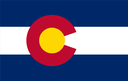
The National State of Colorado Flag was approved on June 5, 1911. It was designed by Andrew Carlisle Johnson, who created a simple yet powerful symbol that represented Colorado’s environment and character.
Before the current design converted as official, Colorado did not have a generally accepted state flag. Today, the National flag is displayed at government constructions, schools, public events, and during public events across the state.
For those, people searching for an old Colorado flag, it is also important to know that Colorado’s current flag design has remained unchanged since its approval, making it a long durable emblem of state superiority.
Colorado National Flag Color and Meaning
The Colorado flag colors include blue, white, red, and gold. Each color naturally conveys a precise importance that is also connected to Colorado’s background and assets.
- Blue color signifies the clear blue skies over Colorado.
- White color represents snow covered mountain peaks.
- Red color signifies the red soil and rocks found in the state.
- Gold color denotes sunshine and Colorado’s profuse natural assets.
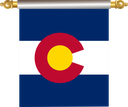
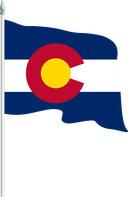
The large red color “C” in the center environs a golden color circle, it also generating a design that is easy to identify. The minimalism of the flag also allows people to recognize its meaning without intricate signs.
Design and sign of Colorado Flag
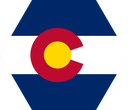
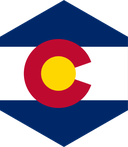
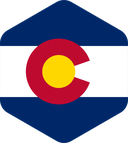
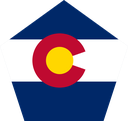
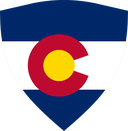
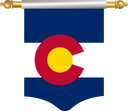
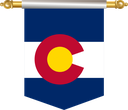
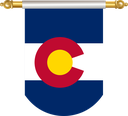
A picture of Colorado flag shows three horizontal stripes with a circular design placed on the front. The outer stripes are blue, the middle stripe is white, and the letter “C” contains a red border with a golden center.
The design connects strongly with Colorado’s geography. The white stripe reflects the Rocky Mountains, while the blue sections represent the atmosphere surrounding them. The red and gold elements highlight the state’s natural beauty and resources.
Colorado’s symbolism is often compared with other regional identities around the world. For example, countries such as Canada and Australia use their flags to represent geography and national heritage, while organizations like the United Nations use symbols to represent shared values.
Questions about the Colorado Flag
When did Colorado become an Us state?
Colorado developed the 38th state of the United States on August 1, 1876, it called as the nickname “Centennial State.”
In what region Colorado is Located?
Colorado is also located in the Mountain West region of the United States, it is also known for high mountains, forests, and high savannas.
What are some facts about Colorado?
Colorado is famous for the Rocky Mountains, outdoor activities, national parks, and its unique landscapes.
What is the capital city of Colorado?
The capital of Colorado is Denver, which is also the state’s largest city and economic center.
Is Colorado a red or blue state?
Colorado has shifted politically over time and is currently considered a competitive but generally Democratic-leaning state.