Design of the Flag of Croatia
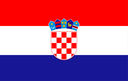
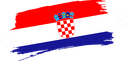
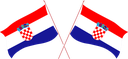
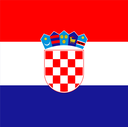
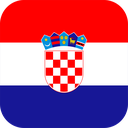
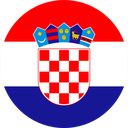
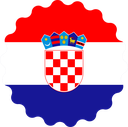
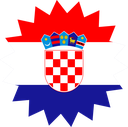
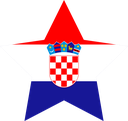
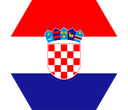
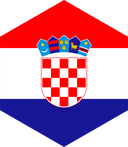
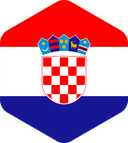
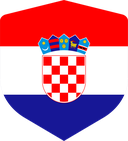
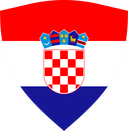
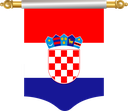
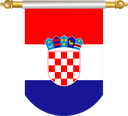
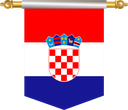
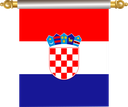
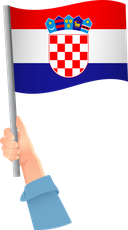
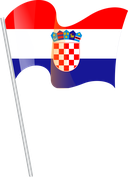
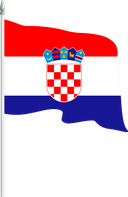
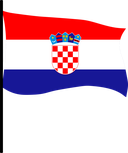
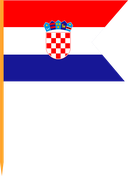
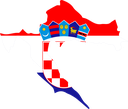
The Flag of Croatia features three horizontal stripes of equal width. From top to bottom, the colors are red, white, and blue. At the center of the flag is the Coat of Arms of Croatia, placed over the white stripe and extending slightly into the red and blue areas.
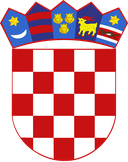
The coat of arms consists of a red-and-white checkerboard shield, topped with a crown-like arrangement of five smaller shields. The overall design is balanced and visually striking, making the flag easy to recognize both within Croatia and internationally.
Meaning of Colors and Symbols
Each element of the Flag of Croatia carries deep symbolic meaning. The red, white, and blue colors are traditional Slavic colors and represent freedom, unity, and national pride. These colors are shared with several other Slavic nations, reflecting regional heritage.
The checkerboard shield, known as the šahovnica, is the most important symbol of Croatia. It has been associated with Croatian identity for centuries and represents historical continuity, resilience, and statehood.
The five smaller shields above the main coat of arms represent historical regions of Croatia, including Zagreb (Croatia proper), Dubrovnik, Dalmatia, Istria, and Slavonia. Together, they symbolize unity among Croatia’s diverse regions.
Historical Background of the Croatia Flag
The modern Flag of Croatia was officially adopted on December 21, 1990, shortly before Croatia declared independence from Yugoslavia in 1991. The design restored traditional Croatian symbols that had been restricted or modified during earlier political periods.
The checkerboard emblem dates back to medieval times and has appeared in various forms throughout Croatian history. Its inclusion in the modern flag marked a return to national heritage and self-determination. Readers interested in this period can explore more details on the History of Croatia page.
Cultural and National Significance
The Flag of Croatia holds strong cultural and emotional significance for the Croatian people. It represents independence, sovereignty, and pride in national identity after a long struggle for self-rule.
The flag is prominently displayed during Independence Day celebrations, national holidays, sporting events, and public ceremonies. It is especially visible during international football tournaments, where it serves as a powerful symbol of national unity and pride.
Relationship to Other European Flags
The Flag of Croatia shares its red, white, and blue colors with several European flags, including those of other Slavic nations. However, the central checkerboard coat of arms makes Croatia’s flag unique.
Unlike many European flags that rely solely on stripes or crosses, Croatia’s flag prominently features a historical emblem. This combination of tricolor and heraldry distinguishes it clearly among European national flags.
Modern Use of the Flag of Croatia
Today, the Flag of Croatia is flown on government buildings, schools, and public spaces across the country. It is also displayed at embassies, international organizations, and global events representing Croatia abroad.
The flag plays an important role in education and civic life, helping citizens understand national history, regional unity, and shared values. Its continued use reinforces Croatia’s identity as a sovereign European nation.
Interesting Facts About the Flag of Croatia
- The flag was adopted in 1990.
- The checkerboard symbol dates back to medieval times.
- The coat of arms includes five regional shields.
- The colors are traditional Slavic colors.
- The flag became official before independence in 1991.
Frequently Asked Questions
What does the checkerboard on the Croatia flag represent?
It represents historical Croatian identity and statehood.
When was the Flag of Croatia adopted?
It was adopted on December 21, 1990.
Why does the Croatia flag have red, white, and blue?
They are traditional Slavic colors symbolizing freedom and unity.
What do the five smaller shields represent?
They represent historical regions of Croatia.
Where is the Croatia flag commonly displayed?
It is flown on public buildings and during national celebrations.