Design of the Flag of Guinea-Bissau
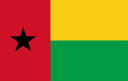
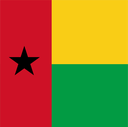
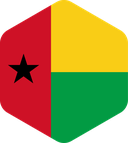
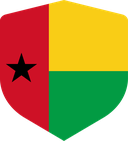
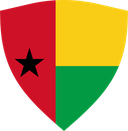
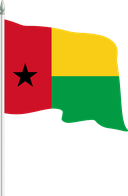
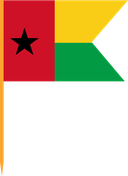
The Flag of Guinea-Bissau consists of a vertical red stripe on the hoist side and two horizontal stripes on the fly side.
- The vertical stripe is red
- The top horizontal stripe is yellow
- The bottom horizontal stripe is green
Centered within the red stripe is a black five-pointed star. The design is asymmetrical but well balanced, making the flag instantly recognizable among African national flags.
Meaning of Colors and Symbols
Each element of the Flag of Guinea-Bissau has strong symbolic meaning tied to the country’s liberation struggle.
The red color represents the blood shed during the fight for independence. It symbolizes sacrifice, bravery, and resistance.
The yellow color represents wealth, especially agricultural and natural resources. It also symbolizes hope and justice.
The green color represents forests, farmland, and the future of agriculture. It symbolizes growth, life, and renewal.
The black star represents African unity and freedom. It symbolizes solidarity with other African nations and the people’s role in achieving independence.
Together, the colors and star reflect revolutionary values and Pan-African ideals.
Historical Background of the Guinea-Bissau Flag
The Flag of Guinea-Bissau was officially adopted on September 24, 1973, when independence was declared from Portuguese colonial rule. Full international recognition followed in 1974 after political change in Portugal.
The flag design was inspired by the liberation movement PAIGC, which also influenced the flag of Cape Verde. This shared symbolism reflects a common struggle and ideological foundation.
Readers interested in this liberation movement can explore more context on the History of Guinea-Bissau page.
Cultural and National Significance
The Flag of Guinea-Bissau holds deep emotional significance as a symbol of resistance and national dignity. It represents the success of a long and difficult independence struggle.
The flag is prominently displayed during Independence Day celebrations, national holidays, and political events. For citizens, it symbolizes courage, unity, and the right to self-determination.
Relationship to Other African Flags
The Flag of Guinea-Bissau uses Pan-African colors and a black star, similar to flags such as Ghana. However, its layout and revolutionary symbolism give it a distinct identity.
Compared to other West African flags, Guinea-Bissau’s design places stronger emphasis on liberation movements and political struggle rather than geography alone.
Modern Use of the Flag of Guinea-Bissau
Today, the Flag of Guinea-Bissau is flown on government buildings, schools, and public spaces throughout the country. It is also displayed at embassies and international organizations representing Guinea-Bissau abroad.
The flag plays an important role in civic education, helping citizens understand independence, unity, and political history. Its continued use reinforces Guinea-Bissau’s identity as a sovereign African nation.
Interesting Facts About the Flag of Guinea-Bissau
- The flag was adopted in 1973.
- It features a black star symbolizing African unity.
- The design is linked to a liberation movement.
- It shares similarities with Cape Verde’s flag.
- The colors are Pan-African.
Frequently Asked Questions
What does the black star on the Guinea-Bissau flag represent?
It represents African unity and freedom.
When was the Flag of Guinea-Bissau adopted?
It was adopted in 1973.
Why does Guinea-Bissau use Pan-African colors?
They symbolize African solidarity and independence.
Is the Guinea-Bissau flag inspired by a political movement?
Yes, it was influenced by the PAIGC liberation movement.
Where is the Guinea-Bissau flag commonly displayed?
It is flown on public buildings and during national events.