Design of the Flag of Timor-Leste
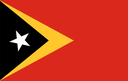
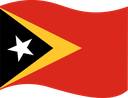
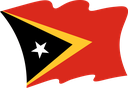
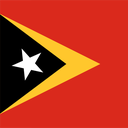
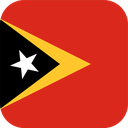
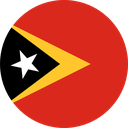
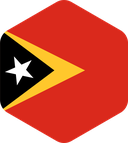
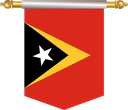
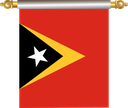
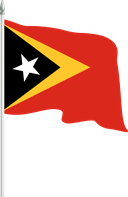
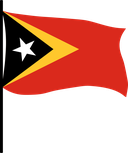
The Flag of Timor-Leste features a red background covering the entire field.
On the hoist side are two overlapping triangles:
- A large black triangle extending toward the center
- A smaller yellow triangle layered on top of the black triangle
Centered within the black triangle is a white five-pointed star.
The design is bold, asymmetrical, and instantly recognizable.
Meaning of Colors and Symbols
Each element of the Flag of Timor-Leste carries deep symbolic meaning connected to the nation’s history.
The red background represents the struggle for independence and the sacrifices made by the Timorese people. It symbolizes courage and resistance.
The black triangle represents the darkness of colonial oppression and the hardships faced during foreign occupation.
The yellow triangle represents the traces of colonialism that still affect the nation, serving as a reminder of past challenges.
The white star represents peace, hope, and the guiding light toward a better future. It also symbolizes the people’s right to self-determination.
Together, these elements express suffering, resistance, and hope for lasting freedom.
Historical Background of the Timor-Leste Flag
The design of the Flag of Timor-Leste originates from the resistance movement during the struggle against foreign occupation.
Timor-Leste was a Portuguese colony before being occupied by Indonesia in 1975. During the resistance period, the flag became a symbol of national identity and defiance.
The flag was officially adopted on May 20, 2002, when Timor-Leste regained full independence and became a sovereign nation.
Readers interested in colonial history and independence movements can explore more context on the History of Timor-Leste page.
Cultural and National Significance
The Flag of Timor-Leste holds profound emotional significance for its people. It represents survival, unity, and the cost of freedom.
The flag is prominently displayed during Independence Day, national ceremonies, and remembrance events. For Timorese citizens, it symbolizes resilience, dignity, and national pride.
The white star is especially meaningful as a symbol of hope after decades of conflict.
Relationship to Other Southeast Asian Flags
The Flag of Timor-Leste differs greatly from many Southeast Asian national flags, which often use horizontal stripes or traditional emblems.
Its revolutionary design reflects a liberation movement rather than royal or colonial heritage. Comparing Southeast Asian flags highlights Timor-Leste’s unique path to independence and identity.
Modern Use of the Flag of Timor-Leste
Today, the Flag of Timor-Leste is flown on government buildings, schools, public institutions, and national landmarks throughout the country. It is also displayed at embassies, international organizations, and global events representing Timor-Leste abroad.
The flag plays an important role in education and civic life, helping citizens understand independence, sacrifice, and national unity. Its continued use reinforces Timor-Leste’s identity as a resilient and independent nation.
Interesting Facts About the Flag of Timor-Leste
- It was officially adopted in 2002.
- The design comes from the resistance era.
- The white star symbolizes peace and guidance.
- Red represents sacrifice and struggle.
- The flag reflects a modern independence movement.
Questions About the Flag of Timor-Leste
What does the white star on the Timor-Leste flag represent?
It represents peace, hope, and self-determination.
When was the Flag of Timor-Leste adopted?
It was adopted on May 20, 2002.
Why does the flag use triangles instead of stripes?
The triangles symbolize resistance and historical struggle.
What does the black triangle mean?
It represents colonial oppression and hardship.
Where is the Timor-Leste flag commonly displayed?
It is flown on public buildings and during national events.